

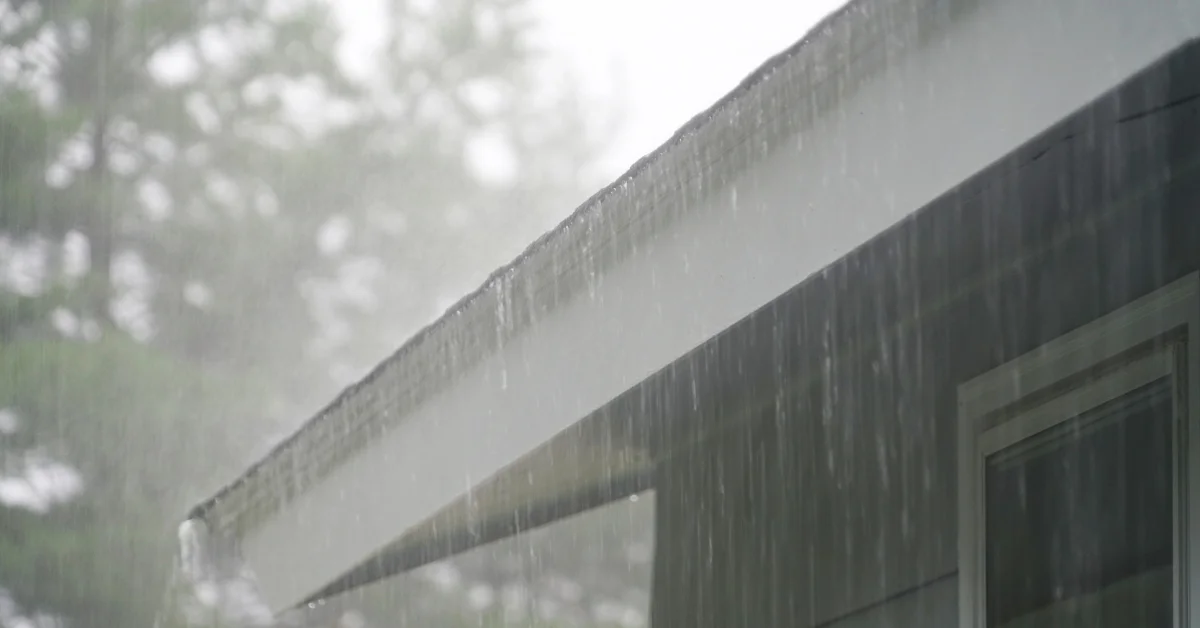
Heavy rain can put your roof to the test. Even a roof that looks fine from the ground may have hidden weak spots that only become noticeable during strong storms. In Marietta, GA, frequent rain and summer weather can expose roofing problems that homeowners may not realize are there.
Understanding how rain affects your roof can help you catch issues early before they lead to larger repairs or water damage inside your home.
If you’ve noticed water stains, missing shingles, or signs of a roof leak after a storm, contact Findlay Roofing today or call (404) 609-0733 to schedule a professional roof inspection.
Why Heavy Rain Exposes Roofing Problems
Your roof is designed to move water safely away from your home. But when roofing materials become damaged or worn, heavy rain can quickly reveal weak areas.
Rainwater can seep into small openings that may not be noticeable during dry weather. Over time, this moisture may affect your attic, ceilings, insulation, and walls.
Common roofing weaknesses exposed by rain include:
- Cracked or missing shingles
- Damaged flashing around vents or chimneys
- Clogged gutters
- Weak roof valleys
- Aging roofing materials
The sooner these issues are identified, the easier they may be to address.
Common Signs of Roof Trouble After Heavy Rain
After a strong storm, it’s important to inspect your home for warning signs of roof damage.
Water Stains on Ceilings or Walls
Brown spots or discoloration inside your home may indicate that water is getting through your roof.
Dripping or Moisture in the Attic
If your attic smells damp or you notice moisture buildup, your roof may have a hidden leak.
Missing or Lifted Shingles
Heavy rain and wind can loosen shingles, leaving your roof more vulnerable to future storms.
Overflowing Gutters
When gutters clog, water can back up onto the roof, increasing the risk of leaks.
If you notice any of these problems, please get in touch with a trusted roofing company in Marietta, GA.
Areas of the Roof Most Vulnerable to Rain Damage
Some parts of your roof are more likely to leak during heavy rain.
Roof Valleys
Roof valleys are where two roof slopes meet. These areas handle large amounts of water runoff and may wear down faster over time.
Flashing Around Roof Features
Flashing is the metal material installed around chimneys, vents, and skylights to help prevent leaks. If flashing becomes loose or damaged, water can seep underneath.
Older Shingles
As shingles age, they may crack, curl, or lose protective granules, making it easier for water to penetrate the roof surface.
Gutters and Downspouts
Proper drainage helps move water away from your roof and foundation. Blocked gutters can increase stress on your roofing system during storms.
How to Help Prevent Rain-Related Roof Damage
Regular maintenance can reduce the chance of hidden roofing issues becoming larger problems.
Here are a few helpful steps homeowners can take:
- Schedule roof inspections regularly
- Clean gutters and downspouts
- Trim overhanging tree branches
- Replace damaged or missing shingles promptly
- Check your attic for signs of moisture after storms
Preventive maintenance can help extend your roof's lifespan and improve your home’s protection during severe weather.
Why Professional Roof Inspections Matter
Some roofing issues are difficult to spot without professional training. A roofing contractor can safely inspect your roof for storm damage, weak spots, and early warning signs that may not be visible from the ground.
Professional inspections may help homeowners:
- Detect hidden leaks
- Prevent further water damage
- Improve roof performance
- Plan for future repairs or replacement
After periods of heavy rain, scheduling an inspection can provide peace of mind and help identify concerns before they worsen.
Protect Your Home With Help From Findlay Roofing
Heavy rain often reveals roofing weaknesses that homeowners may not notice during dry weather. Addressing small roofing issues early can help reduce the risk of water damage and costly repairs later.
If you need a dependable roofing company in Marietta, GA, contact Findlay Roofing today or call (404) 609-0733. Their team can inspect your roof, answer your questions, and help you understand the next steps for protecting your home.