

FAQ
-
Roofing FAQ
-
In construction and architecture, each component contributes to securing the strength and endurance of a structure. One such unsung hero in the realm of roofing is roof sheathing. This often-overlooked layer is the backbone that supports your roof and safeguards your home against the whims of nature.
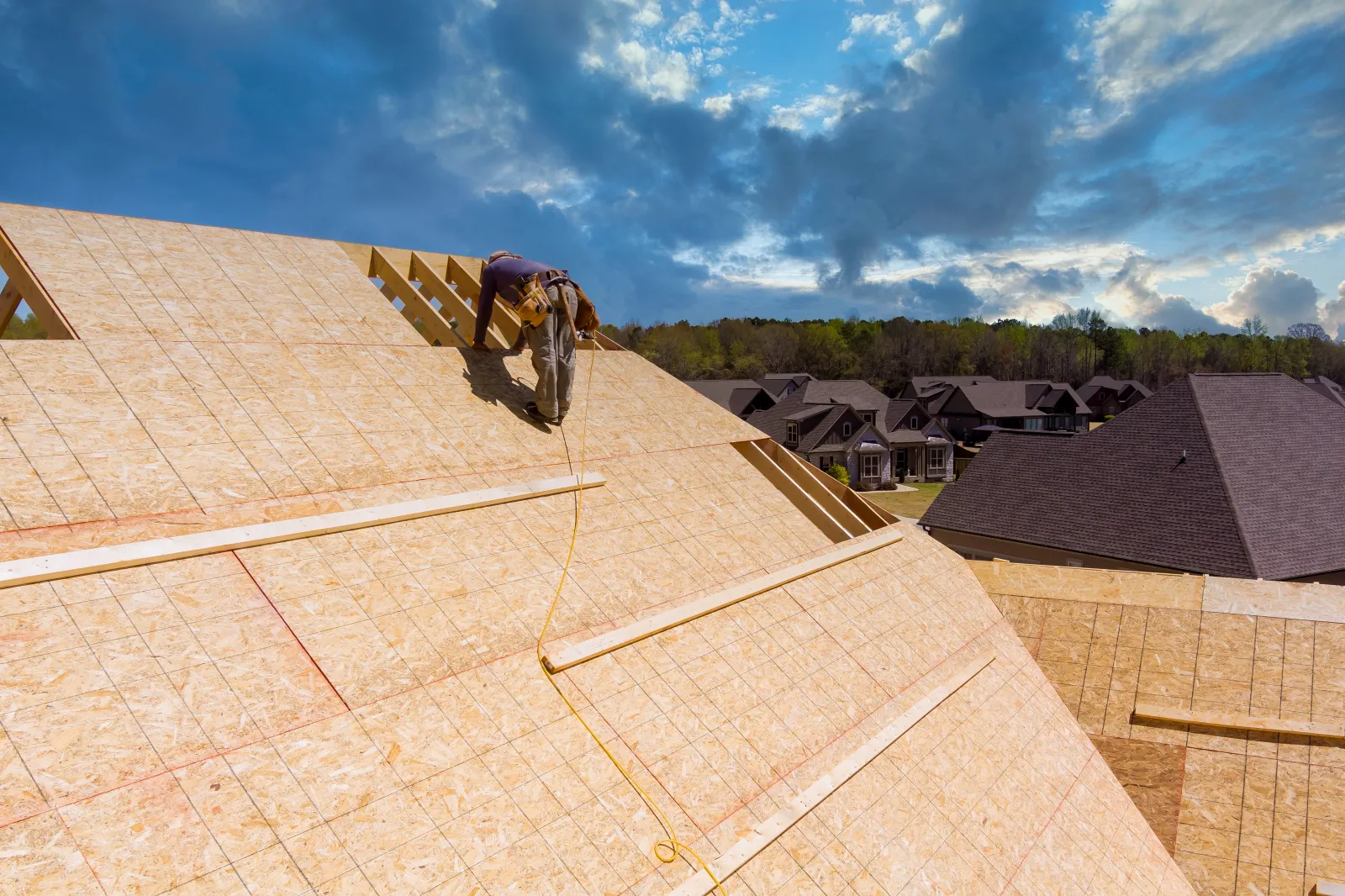
Roof sheathing is the layer between the structural framing and the roofing material. It provides structural support, insulation, and a stable foundation for the roofing system. Generally made from oriented strand board (OSB) or plywood, roof sheathing is a crucial element in the overall integrity of your roof.
What Kind of Plywood for Roof Applications?
When considering plywood for roof applications, it’s essential to understand the characteristics that make sheathing plywood the preferred choice. Plywood for roof applications is typically manufactured using thin layers of wood veneer glued together. This layering process imparts strength and stability to the plywood, making it ideal for roof sheathing.
What Is Sheathing Plywood?
Roof sheathing plywood is a versatile and resilient material made to stand up to the challenges posed by the external environment. Its composition and thickness are carefully calibrated to meet the demands of providing a solid foundation for the roofing structure.
The primary function of roof sheathing is to distribute the load of the roof covering evenly across the framing. This helps prevent sagging or buckling and ensures the roof can withstand the weight of snow, wind, and other external forces. In addition to its structural role, roof sheathing is a base for attaching roofing materials, such as shingles or tiles.
The Benefits of Roof Sheathing
When contemplating what kind of plywood for roof applications, take into account aspects such as resistance to weather, durability, and adherence to the specific regulations outlined in your local building codes. Plywood for roof applications is available in various grades, with each grade catering to different levels of exposure and stress.
One of the best reasons to use plywood for roof sheathing is its dimensional stability. Plywood is less prone to expansion and contraction because of changes in temperature and humidity compared to solid wood. This stability ensures that the roofing structure remains intact and minimizes the risk of damage over time.
Another noteworthy feature of roof sheathing is its ability to enhance the overall energy efficiency of your home. The insulating characteristics of sheathing plywood help in sustaining a pleasant indoor temperature, reducing the necessity for extensive use of heating or cooling systems. This not only enhances your comfort but also save your energy bills.
How Is Roof Sheathing Installed?
Now, let’s navigate the intricacies of the installation process. When installing roof sheathing, precision is vital. The panels must be securely attached to the framing with the correct fasteners, ensuring a solid and uniform surface. Proper installation guarantees the roof’s structural integrity but also contributes to the overall aesthetics of the building.
Understanding the significance of roof sheathing and making informed decisions about what kind of plywood for the roof is essential to ensure a robust and resilient roofing system. Whether you’re constructing a new home or considering a roof replacement, investing time in understanding the nuances of roof sheathing pays dividends in the long run.
Roof sheathing is the unsung hero that silently bears the weight of the world above. With its strength and versatility, plywood for roof applications emerges as the preferred choice for this critical layer. So, the next time you look up at your roof, remember the layers beneath —specifically, the enduring strength of roof sheathing that stands tall, sheltering you from the elements. Contact us today for more information or to schedule service and get started on your new roof. Findlay Roofing is here to help!
-
When it comes to roofing projects, homeowners often wonder whether roofers need to enter their homes. Understanding the extent of a roofer’s access to your interior is essential for proper planning and peace of mind. While most of the roofing work occurs on the outside, there are instances where roofers may need to step inside your home. This aims to clarify the circumstances that may require roofers to access your interior space. From roof inspections to leak investigations and ventilation assessments, we will explore why roofers may need to come inside. By familiarizing yourself with these situations, you can better anticipate the involvement of roofers within your home during the roofing process. Rest assured, professional roofers prioritize your privacy and take necessary precautions to minimize disruption while ensuring a quality roofing job.
In addition to addressing whether roofers need to come inside, discussing related topics and services that homeowners may find valuable is crucial. One important aspect is the importance of a thorough roof inspection. A professional roofer can assess the overall condition of your roof, identifying any hidden issues that may require attention. They can also guide maintenance strategies to prolong the lifespan of your roof. Furthermore, roofers can offer valuable expertise on proper ventilation systems, ensuring that your attic maintains the ideal temperature and moisture levels, which can prevent potential damage. You can benefit from their knowledge and expertise by engaging with a reputable roofing contractor, safeguarding your home, and ensuring a well-maintained and long-lasting roof.
It’ll be best to offer the job to a reliable roofing contractor. But before hiring a roofing contractor, conducting research and asking the right questions during the consultation process is essential. Here are ten questions to make the process smoother and more transparent!
Questions to Ask A Roofing Contractor
Where is your company located?
It’s best to hire a local roofing contractor with a physical office. Ask your contractor for their company name and physical address. Check if they have an office physically in your area. If not, simply move on. You can also search the internet using their name and address for potential red flags or other feedback.
Are you a licensed contractor?
Homeowners must work with a licensed roofing contractor with liability and workers’ compensation insurance. This insurance protects owners from any accidents or damages caused by roofers during work at your location.
Without insurance, a roofing company may pass on additional medical and repair expenses in case of accidents. So, asking your roofing contractor about their insurance policy can save you from potential hassles.
Can I see your license details?
Every location has a different licensing requirement for roofing professionals. During your conversation with the contractor, ask them to check their license information to see if they can work in your area. Also, verify the name of the license-holder, whether their license is up to date, and other details.
Note that a roofing license isn’t a business license. A roofing company needs a special permit, which ensures they have the qualifications to work as roofers.
How old is your business?
If a company is new, you can still hire them. When considering a new company for your project, understanding its company history is crucial. While they may have a relatively short track record, assessing their previous clients and projects can shed light on their experience and capabilities. You may also request references or testimonials from previous clients to understand their work ethic and client satisfaction levels.
Will I get a warranty?
Roofing jobs can have multiple warranties. Typically, the manufacturers cover material warranties, where the roofers provide a one-year warranty for their work. Make sure you ask about the coverage and length of these warranties. However, if you’re getting an extended warranty, it can increase your cost.
May I get a written estimate?
If you wish to avoid getting a surprise bill, ask your provider for a written estimate. Dependable contractors understand the importance of transparency and will gladly provide a detailed cost estimate mentioning the labor cost, materials, equipment, and other relevant aspects.
To ensure an accurate estimate, provide detailed information about the roof’s damage, including precise measurements and specific materials used.
Do roofers need to come inside?
Clarifying if roofers require indoor access is crucial for understanding the project’s scope, potential disruptions, and protecting your home. This question helps you plan, protect your belongings, and maintain clear communication, minimizing surprises during the roofing project.
What is the estimated duration for completing the roofing project?
Your roofing contractor should estimate the completion and best time to begin your project. Remember that unforeseen challenges and complications can cause project delays. So, to ensure a seamless process, you and your contractor must anticipate and prepare for these unforeseen situations. Also, check if your roofing contractor has enough manpower and resources to complete the job quickly.
Does my roof require repair or replacement?
Consult a professional to accurately assess if your roof requires replacement. Ask your contractor about the conditions of your roof. If they recommended a complete replacement, ask why those damages are so severe and what materials you should choose. Note that replacement costs will vary depending on the chosen roof materials.
Will you dispose of the junk?
No one wants their yard filled with junk and debris after the roofing work. But not all roofing companies dispose of waste after their job is done. So, ask your contractor whether they deal with the after-job waste and what initiatives they’ll take to ensure your home and yard stay clean and safe.
Call Professionals from Findlay Roofing
If your roof needs repairs or replacement, don’t wait until it gets damaged further; seek help from professional roofers.
Findlay Roofing offers exceptional repair and replacement services and a free Atlanta area roof analysis. Let our seasoned roofers inspect your roof and offer quality workmanship using the highest-quality materials at an affordable price. Schedule your service today.
-
A reputable roofing business provides an invaluable service: it gives you a roof that looks attractive on your home and keeps you and your belongings safe and dry. But the stakes are high. You are engaging in a contract to repair or replace the roof over your head. So how do you find a roofing company that will deliver that service on a reasonable timeline for a fair price? When researching, look for an insured, responsive, expert, and honest roofing company.
When selecting a roofing company, choosing one that offers comprehensive services is vital. Expert roofers can accurately assess problems, such as faulty flashings, and provide effective repairs or replacements, ensuring a secure and watertight roof. Look for a company with a proven track record of delivering high-quality workmanship, as evidenced by positive customer reviews and testimonials. Transparent communication regarding the required work, including cost estimates and timelines, is also essential. Additionally, opt for a roofing company that provides warranties or guarantees on their services, giving you added peace of mind for any potential future issues.
Why does my roofing company need to be insured?
When hiring a roofing company, insurance plays a crucial role in protecting both you and your property. Here’s why your roofing company needs to be insured:
- Worker’s safety
- Property protection
- Financial security
- Peace of mind
Remember, verifying the insurance coverage of your roofing company is an essential step to protect yourself and your property throughout the roofing process.
Why does my roofing company need to be responsive?
Having a responsive roofing company is crucial for several reasons:
- Timely problem-solving
- Cost control
- Adaptability to unforeseen circumstances
- Effective client communication
- Customer-centric approach
Choosing a responsive roofing company with a track record of effective communication and a customer-centric approach will help ensure a smoother and more satisfactory roofing experience.
Why does my roofing company need to be expert?
Take a look at your roofing company’s web presence: are they posting content that is up-to-date, authoritative, and relevant to the industry? Are they able to confidently answer your questions? Is their work known to uphold high standards of craftsmanship? You don’t want to replace or repair your roof more than once, which is why you want an expert roofing company, with industry-leading knowledge and years of experience. Taking a chance on a new company is fine for some jobs, but your roof deserves the pros.
Why does my roofing company need to be honest?
Honesty is a crucial quality to look for in a roofing company for the following reasons:
- Fair pricing
- Reliable Warranties
- Long-term reliability
- Fulfillment of promises
By selecting an honest roofing company, you can have confidence in their pricing, rely on their warranties, and trust that they will honor their commitments, providing you with peace of mind throughout the roofing process.
No one wants to repair or replace a roof on their home. It’s expensive, it’s confusing, and it can be loud, messy, and time-consuming. Still, if your current roof leaks, or is on the verge of leaking, you must choose a roofing company. Make sure you choose one that can deliver a real solution, and not just more headaches.
Findlay Roofing, which has served the DeKalb, GA area since 1995, is a fully-insured roofing contractor with an A+ Better Business Bureau rating. The largest full-service contractor in Georgia thanks to glowing customer reviews, Findlay is also a member of the National Roofing Contractors Association and an Owens Corning Platinum Preferred Contractor. The company offers a lifetime Leak Free Warranty and accepts no payment from customers until all contract terms have been fulfilled.
If you are a homeowner in the DeKalb, GA area, Findlay is the only choice that checks all of the boxes. Why not contact them and get started today?
-
Roof Flashing: Types and Importance for Your Roof
Roof flashing is an essential component of any roofing system. It consists of strips of durable materials like copper, steel, or aluminum strategically placed to seal vulnerable areas of the roof. Its primary purpose is to prevent water from infiltrating these susceptible spots, such as chimneys, skylights, vents, valleys, and intersections. Flashing is necessary because it creates a watertight barrier that safeguards against leaks and water damage. Water can penetrate gaps and joints without proper flashing, leading to moisture accumulation, rot, and potential structural issues. Moreover, roof flashing helps redirect water away from critical areas, ensuring the roof’s integrity and preventing water-related problems.
When it comes to roof flashing, hiring expert roofers is essential. They can assess issues, repair or replace faulty flashings, and ensure your roof is watertight. With their knowledge and experience, professional roofers understand the importance of proper flashing techniques and materials for your roof type and climate. By entrusting the job to skilled roofers, you can have peace of mind knowing that your roof will be protected against water damage and potential leaks. We specialize in roof flashing services at Findlay Roofing and take pride in providing reliable solutions. Let us help you maintain a durable and secure roof that will stand the test of time.
-
A well-maintained roof adds value to your home when selling it. Damaged or old roofs can significantly decrease their worth, as buyers are reluctant to invest in costly repairs. Understanding the demand for quality roofs in your specific market is vital, as different factors influence buyer preferences and expectations.
Sellers often wonder whether they should repair their roof or replace it with a new one before they sell it. But the more important question is – does a new roof increase home value? Usually, a new roof increases home value on the market, but in some cases, it doesn’t. Keep reading to find out how much value a new roof adds and whether you need a roof replacement or a good repair to boost your home value.
How Much Can A Good Roof Add to Home Value?
The value added by a new roof depends on several factors, such as the materials used, the installation quality, and the existing roof’s overall condition. Let’s see some of them.
The Impact of Roof Condition on Adding Home Value
If your roof’s condition is severe (leaking, too old, decaying), you should consider replacing it before listing it on the market. Most buyers won’t even send an offer with a bad roof condition; the appraisers may also decrease your home’s value. And in some areas, it’s legally compulsory to replace roofs that are in bad condition.
But if your roof is a few years old and in good condition, it won’t affect your property value. However, you might need to consider offering discounts to the buyers for reroofing.
How Does Market Demand Affect Home Value?
Before putting your hard-earned money on roof repairs or replacements, know the market demands of your area. It’s best to consult with local appraisers and real estate agents to learn what’s trending in the housing market. When there is high demand for homes in a particular area, prices tend to rise due to increased buyer competition. Conversely, home values may decrease in a low-demand market as sellers compete to attract potential buyers.
Does Shingle Type Increase/Decrease Home Value?
Choosing the right shingle material is crucial for maximizing home value. Different shingle types come with varying costs, and opting for luxurious materials can be expensive without necessarily adding equivalent value to your home. Homeowners often find that selecting more affordable shingles offers better returns when selling their homes.
Consider matching your shingle material to the neighborhood’s overall aesthetic to maximize its value. While an upscale neighborhood may benefit from a luxurious roof, installing one in a neighborhood with regular roofs could lead to a poor return on investment.
Are there any specific roofing materials that increase the home value more than others?
The choice of roofing materials can influence home value, with certain materials generally perceived as more valuable. For instance, high-quality materials like slate, tile, and metal positively impact home value due to their durability, longevity, and aesthetic appeal.
Consider these factors before investing in your roof’s condition when you put your house on the market.
Cost and Longevity of Roof Materials
The types of roof materials will determine a new roof installation cost. Find out which material lasts longer and is more costly before you get a new roof.
- Asphalt Shingles: 15-30 years; basic asphalt shingles installation costs about $90 per square.
- Wood shingles: 20-25 years; wood shingles installation costs between $350 to $500 per square.
- Composite Shingles: 12-20 years; basic composite shingles installation costs about $400 per square.
- Metal Shingles: 50-75 years; basic metal shingles structure installation costs around $400 per square.
- Clay Shingles: 50-100 years; clay shingles installation costs between $300 and $1,000 per square.
It’s important to note that the costs mentioned are specifically related to the installation of the roof materials and do not include other potential expenses such as labor, additional materials, or any necessary repairs or modifications to the existing roof structure. Additionally, the longevity ranges provided are general estimates and can vary depending on various factors such as climate conditions, maintenance, and quality of installation.
When choosing a roofing material, remember to consider factors such as durability, maintenance requirements, and aesthetic preferences, in addition to the initial installation costs. It’s always a good idea to consult a professional roofing contractor who can provide personalized advice based on your specific needs and budget.
Restore Your Roof’s Condition
In summary, you can expect a high house value when the roof’s in good condition. Depending on your neighborhood, and market demand, you should make roof replacements to get higher returns. But repairs and replacement are only needed where your roof’s condition is miserable, which might disappoint the prospects.
If you believe your roof needs a replacement, get an experienced roofer to assess your roof’s condition and help you decide. Our expert roofers and installation crews at Findlay Roofing handle your investment with the utmost care and professionalism. We’ve been in this business since 1995, serving Atlanta and surrounding areas.
Schedule your free roof inspection today and receive our roofing services with a lifetime leak-free warranty.
-
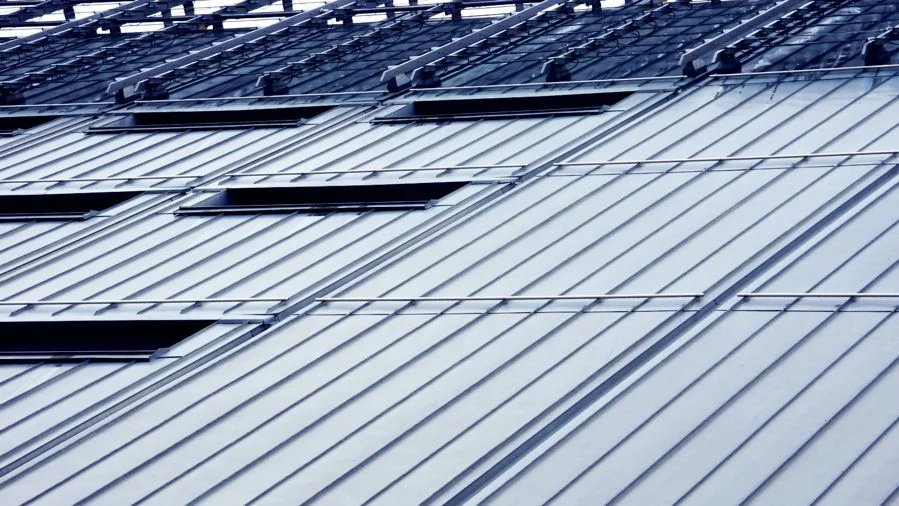
Metal roofs are becoming increasingly popular because of their reliability, energy efficiency, and low maintenance requirements. The benefits of metal roofs make them a more affordable option over time; however, the up-front cost for installation is higher and often a deterrent for many homeowners. Understanding the lifespan of a metal roof can help you make an informed decision and ensure your investment pays off in the long run, whether considering a metal roof for your new home or looking to replace your current roof. It can last several years with proper installation and maintenance, which is significantly longer than traditional asphalt shingle roofs, and its durability also makes it a more environmentally friendly choice.
How Durable are Metal Roofs?
It is well known that metal roofs are durable, but how long does a metal roof last? The answer can vary depending on several factors, including the quality of the materials, the installation process and the maintenance of the roof. Metal roofs can generally last at least 40 years and, in many cases, decades more. Choosing materials specifically designed for your area’s weather conditions is important. For example, if you live in a hailstorm-prone area, you may consider a metal roof with a higher gauge or thickness to withstand hail impacts better. Additionally, a roofing contractor can recommend specific installation techniques and products, such as underlayment or ice and water shield, to provide extra protection against weather-related damage. Ultimately, working with a local roofing contractor offers valuable expertise on specific weather conditions in the area, guidance on choosing the best materials for your home, and ensuring proper installation for maximum durability and longevity.
Understanding Upkeep
While metal roofs are known for their durability and longevity, proper maintenance ensures they last as long as possible. Regular inspections and cleaning can help extend your roof’s life by identifying and addressing any issues before they become major problems.
Here are our tips for maintaining a standing seam metal roof:
- Trim trees and vegetation around your roof to prevent damage from falling branches and debris.
- Regularly clean your gutters and downspouts to prevent debris buildup and clogs, which can cause water to back up under your roof and cause damage.
- Check the flashing around chimneys, vents, and other penetrations to ensure they are properly sealed and not causing any leaks.
- Remove any snow or ice buildup from your roof during the winter to prevent damage from the weight of the snow or ice.
- Avoid walking on your roof, which can damage the panels and cause leaks.
- Consider hiring a professional roofing contractor to conduct an annual maintenance check and make any necessary repairs.
Investing in a standing seam metal roof is a smart decision for any homeowner looking for long-term reliability, energy efficiency, and durability. At Findlay Roofing, we understand the importance of making informed decisions when it comes to choosing the right roofing material for your home. Our team of experts will guide you through the process, ensuring that you have all the information you need to make the best decision for your home and budget. Call Findlay Roofing today and let us show you why a standing seam metal roof is the perfect choice for your home.
-
Environment affects all aspects of every species living and thriving on Earth. That’s why an eco-conscious movement has begun worldwide to influence us to make sustainable choices in every step of our life. Sustainable roofing is a solution like that.
Sustainable roofing doesn’t have to be a green roof or specially-made eco-friendly material. Any materials that help us save energy and natural resources while having a minimal carbon footprint are considered sustainable roofing solutions.
Let’s discuss what factors make a roofing material a sustainable choice, what are sustainable roofing materials and their environmental benefits.
What Makes a Sustainable Roof?
A sustainable roof is characterized by several key elements, including:
- Roof insulation and ventilation
- Stormwater Utilization
- Sustainable materials
Roof Insulation And Ventilation: A poor roof’s ventilation and insulation cost you more bills. On the other hand, a roof with proper insulation and ventilation capability ensures you use energy wisely and maintain your home’s temperature.
Stormwater Utilization: Stagnant water on the roof can ruin your roof and internal structure with excess moisture. Sloped roofs and roofs with premium gutters can help remove such waste. Water collected from your roof can also be repurposed for your garden or swimming pool, making the system more sustainable and environmental-friendly. A water catchment solution can be added to your roof to make this process efficient.
Sustainable Materials: To add more sustainability points to your roofing, you can select materials that can be recycled, have a long lifespan, and require minimal resources in maintenance—for example, metal roofs.
Environmental Benefits of Sustainable Roofing
Different types of sustainable roofing leave a minimal impact on the environment. Below we’ll explore the benefits of each of them:
- Sustainable Roofing Lasts Longer Than Traditional Ones: A sustainable roofing system offers the longevity everyone desires. They’re made of sturdy materials and can resist leaks and weather damage. That means you don’t have to replace your roof frequently, leaving less impact on the environment and its resources.
- Sustainable Roofing Reduces Green House Emission: Green roof benefits make them the most popular sustainable roofing option. But how do green roofs compare to traditional roofs?
This unique green on such roofs helps to absorb greenhouse emissions that hurt our environment badly. The benefits of green roofs are not limited to reducing harmful emissions. But it’s not without flaws. Let’s discuss green roofs’ pros and cons in detail.
Pros
- Vegetations on the green roof clean polluted air and improve its overall quality
- The greens on the roof soak up excess stormwater and reduce the runoff, which can otherwise damage your house’s structural integrity
- Green roofs add to the beauty of a home, making it more desirable to home buyers
- Green roofs increase biodiversity, becoming a home to birds or other animals
Cons
- Heavier than traditional roofs — additional resources are needed to support its integrity
- Sustainable Roofing Reduces Energy Consumption: A cool roof is a special roofing material that is more energy-saving than traditional roofs. It can efficiently reflect heat and sunlight into the atmosphere, lowering the temperature. Asphalt, concrete, tile, wood, slate, metal — a wide range of materials can be used to design cool roofs. These cool roofs help to maintain a comfortable temperature with consuming less electricity. Less energy consumption also helps reduce green gas emissions and thus helps improve global warming conditions.
- Solar Roofs Help Utilize Solar Energy: Solar roofs look great with all the solar panels on the top. Moreover, it’s an excellent suitable roofing choice in today’s world. Solar roofs help save you more grid energy which uses non-renewable natural fuels.
- Sustainable Roofing Reduces Waste Disposal: Roofs, like metals, are long-lasting and can be recycled again. Such roofing also lasts longer than most traditional roofs. The energy efficiency of metal makes them a great environmental-friendly choice. It can reflect heat and keep the interior cooler in the scorching heat – which eventually helps reduce energy usage.
Clay tile roofing is another sustainable option made from recyclable and natural materials. Like metal, clay tile has a heat resistance quality that saves energy. This type of roof has a long life span of about 100 years.
Wood Shakes and Shingles are roofing materials made from renewable and sustainable resources. This kind of roof is excellent at providing insulation and saving energy.
To sum up
If you want to make sustainable choices for your roof, you have many options with distinct benefits. It’s best to select roofing materials that are long-lasting, recyclable, and have great energy-saving properties. No matter your chosen solution, your goal should be reducing your carbon footprint.
Selecting the right sustainable roofing according to your needs can be challenging for homeowners, especially when everyone’s climate, budget, and home condition differs. That’s why you must seek professional help. Contact Findlay Roofing professionals and schedule a free consultation to find the ideal roofing material for your next replacement.
-
Can Thermal Shock and Heat Affect Your Roof?
Increased solar exposure might cause damage to your roof. UV rays, high temperatures, excessive humidity, and thermal shock are all major causes of roof damage during the summer. However, you may extend the life of your roof by sheltering it from the summer heat, which shortens its lifespan.
Roof maintenance isn’t always a priority as we approach the warmer months since there are no fallen leaves in gutters, ice and snow damage, or severe winter storms. Roofs, however, require repair and supervision during this season, especially as the temperature rises.
Protecting Your Roof During Hot Seasons
This hot time of year can damage your roofing structure and materials. So, it’s critical to understand what to look for to avoid complications later on.
Fortunately, the effects of heat and other summer conditions gradually build up over time. This means your roof won’t turn to dust after one week of very warm weather. If your roof is less than ten years old, you don’t have much to worry about, especially if it’s well-maintained. With older roofs, understanding what to look for, keeping an eye out for any growing issues, and dealing with them swiftly will save you money in the long term.
What Causes Your Roof To Get Heated Up?
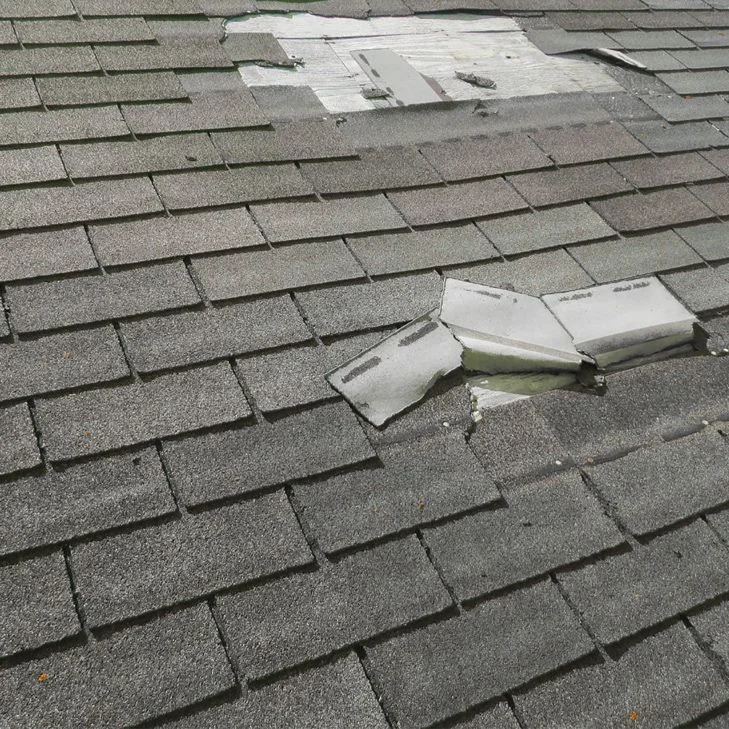
Your home’s roof and structure will expand and compress as the temperature changes. When this happens quickly, the materials lose their flexibility and crack.
If left unchecked, your home is now subject to other natural forces that Mother Nature may throw at it throughout other seasons. This can result in leaks, flooding, mold, and other structural issues. So what should you be aware of in the heat?
- The roofs most affected by severe heat damage are exposed and without shade. Your roof’s temperatures may reach over 150 degrees on a scorching 90-degree day, especially if the roof is composed of a heat-absorbing dark material. This high temperature degrades your roof components over time.
- Condensation settling beneath shingles might lead to roof leaks and water damage. This is because of the humid air during summer days. Because moisture might allow mold to grow, this could potentially pose a health risk.
- Throughout the summer, temperatures on your roof rise throughout the day and fall swiftly at night. This fast temperature change, called thermal shock, causes roof expansion and contraction, resulting in strain and a reduced lifespan for roofing materials. Gradually, these abrupt shifts damage your roof structure’s integrity and might leave you with a deformed or split roof.
- UV radiation can significantly affect your roof’s condition, leading to accelerated material deterioration. It can even penetrate on cloudy days, implying that no roof is completely immune from UV radiation throughout the summer. It can cause roof discoloration, shingles will collapse, peel, and split, and the protecting oils in your roof will dry out, causing it to be dry and brittle.
Remember that most heat damage doesn’t manifest immediately and can take weeks or months to develop. Knowing what to look for and inspecting your roof regularly will help you discover possible problems before they become emergencies.
How To Prevent Your Roof From Heating Up?
There are various methods for reducing the summer heat effects on your roof. So, before summer, regular roof inspections help detect any problems sooner. Promptly replace any damaged or missing shingles, and assess the underlayment for signs of wear.
An expert can identify and remedy problems before they do too much damage. This will extend your roof’s life and increase your investment’s value.
- Ensure proper ventilation and insulation for heat management and energy savings.
- Install attic fans, ridge vents, or gable vents to dissipate heat.
- Use insulation to reduce heat transfer into your home.
- Adequate attic ventilation reduces interior heat buildup and condensation.
- Opt for heat-reflective roofing materials or apply reflective coatings for cooler homes and lower energy costs.
Your best bet is to call a professional roofing company like Findlay Roofing to examine and maintain your roof .
Since 1995, Findlay Roofing has efficiently rebuilt thousands of roofs in Atlanta and the surrounding areas. You can benefit from complete insurance coverage and a lifetime Leak-Free Warranty while only paying after we deliver on our promises. Contact us today to schedule a consultation.
-
As a homeowner, it’s important to have adequate insurance coverage to protect your property from unexpected damages. Roof damage is one of the most common types of damage that homeowners face, and it can be caused by storms, fallen trees, or even normal wear and tear. When this happens, the first question that can come to mind is, “Will my insurance cover the cost of a roof replacement?” Unfortunately, the answer is not always straightforward. To determine if your homeowner’s insurance will cover the roof replacement cost, go over your policy and contact your insurance provider for specific details and coverage options.
Here is our guide on how to get insurance to pay for roof replacement.
Researching Your Insurance Policy
Research and understand your policy options to ensure your homeowner’s insurance covers roof damage. Standard policies typically cover damage caused by perils such as fire, lightning, windstorms, hail, or falling objects. Some insurers offer optional coverage specifically for roof damage, providing more comprehensive coverage but at a higher premium. However, coverage for roof damage can be complicated. While some policies cover the full cost of a roof replacement caused by a covered peril, others only cover repairs. Neglect or lack of maintenance could result in a denied claim. Review your policy and consult your insurer to ensure adequate roof coverage and to navigate the claims process more easily.

A Step-by-Step Guide
Certain actions must be taken to ensure a smooth and successful insurance claim process for roof replacement. To begin, consider taking the following steps to increase your chances of getting your insurance to pay for the necessary repairs.
- Document the damage: Take photos of the damage to your roof and any other property affected by the event. This will help support your claim and provide evidence of the damage.
- Contact your insurance company: Call your insurance company immediately to report the damage and file a claim. Provide them with all necessary information, including photos and damage documentation.
- Schedule an inspection: Your insurance company will likely send an adjuster to inspect the damage and assess the cost of repairs or replacement. However, an additional assessment from a trusted roofing company can help double-check an adjuster’s work, identify damage beyond what they find and potentially open the door to more insurance coverage than you would’ve gotten on your own. A professional conducting their inspection will also help speed up the next step.
- Get estimates: When you have a roofing company inspect the damages and an adjuster, you can get a quote and start your roofing project. It is important to compare estimates from multiple companies and research benefits that may come with their services, such as financing and warranties.
- Negotiate the claim: Once your insurance company has assessed the damage and reviewed your estimates, they will offer a claim settlement offer. You are not required to accept your insurance company’s initial offer; you can negotiate and work toward a more fair and satisfactory settlement. It can be a lengthy process – it’s important to be persistent, follow up with your insurance company regularly and keep detailed records of all correspondence.
- Hire a public adjuster: If you’re having trouble convincing your insurance company to cover the full cost of the roof replacement, you might want to consider hiring a public adjuster. These professionals are trained to help policyholders negotiate claims and can often help you receive a better settlement offer.
- Know when to escalate: If negotiations break down completely, you may need to escalate the matter to a higher authority, such as a claims supervisor or legal counsel. This should be a last resort, but knowing your options is important.
The cost of replacing your roof is determined by several factors, including what your insurance policy covers and what caused the damage. Following the steps above will help increase your chances of getting insurance to cover the roof replacement cost. Findlay Roofing is here to assist you if you need an inspection or an estimate or are ready to begin your roofing project. For expert advice on repairing or replacing your roof, our team’s guidance and professional service will assure you that your roof is in good hands. Don’t put off roof maintenance any longer; contact us today.
-
If you’ve ever seen a dazzling white roof, you probably know what is TPO roofing. TPO is one of the most frequent roof types used in commercial buildings and facilities, and it is also one of the most cost-effective and long-lasting single-ply roofing systems available.
You can get the best of your TPO roof by selecting the right product and roofing contractor. When searching to buy and install TPO membrane roofing, you should keep the following in mind.
What is TPO Roofing Made of?
The single-ply roofing membrane family includes TPO, a mixture of polypropylene and ethylene-propylene rubber that has been polymerized together. It has been produced in the U.S. since the early 1990s for use on buildings with flat roofs. The (PET)E or glass fiber, the fireproof layer, the non-woven fabric layer, and the anti-oxidation membrane comprise the TPO membrane roofing system.
What does TPO stand for? It abbreviates thermoplastic polyolefin, which encapsulates its core materials and thermoplastic properties. The name reflects its chemical composition and heat-welding ability, a significant advantage during installation and repairs.
Should You Use TPO Roofing For Your Project?
Now that you’ve got your answer to “What is TPO roofing?” and “What does TPO stand for?”, you can consider whether or not it’s the right roofing system for you.
Another fairly common option for commercial spaces is PVC roofing systems. So, if you’re confused about TPO vs PVC roofing, you should know that it depends on a few factors, such as your current roofing system, the state of your roof, etc.
However, TPO roofing is one of the materials on the market that commercial business owners most often suggest, and for good reason. So, in the fight between TPO vs PVC roofing, here’s why you should think about using the former:
More Cost-Efficient Option
TPO roofing is one of the most affordable flat roofing materials, making it a cost-effective choice for commercial buildings and facilities. If you’re thinking in terms of TPO vs PVC roofing costs, it is often 25-35% less expensive. To save money, customers are therefore compelled to use TPO membrane roofing.
Environmentally Friendly & Energy Conscious
TPO is gaining popularity as more and more companies and residential owners start looking for environmentally friendly roofing materials. This is due to several factors:
Chlorine, used in some other roofing materials, is absent from TPO membranes. Moreover, all TPO is recyclable, meaning you can use TPO again by reworking (from the ground up) and incorporating it into new TPO roofing membranes.
Depending on the manufacturer, white TPO can have an ENERGY STAR rating, referred to as a “cool roof.” Moreover, the common white TPO will reflect light, reducing summer cooling costs. TPO helps create healthier indoor air free of smog from the outdoors in metropolitan locations.
Easier Installation Process
TPO’s installation is relatively straightforward and quicker compared to other materials. Its lightweight nature facilitates easier handling and transportation, potentially lowering labor costs. The ability to be heat-welded around obstructions like chimneys enhances its installation efficiency.
Durable Enough
With resistance to weather elements, mold, mildew, and water, TPO roofing stands the test of time. Its resistance to tears and punctures and flexibility make it adept at handling building expansions and contractions, contributing to its longevity.
With all these features, you can expect your TPO membrane roofing to have a lifespan of 15 to 20 years. However, the membrane may become pierced, flashings may fail, seams may break apart, etc., leading to a roof leak.
In that case, you should think about repairing the roofing system. Don’t take it all on yourself! Professionals can help you, but choosing a reliable roofing company can be difficult. So, why don’t you consider Findlay Roofing your option?
Why Pick Findlay Roofing for Your TPO Roofing Project?
Findlay Roofing offers comprehensive solutions for your TPO roofing needs. Our team is proficient in understanding “What does TPO stand for?” and “What is TPO roofing?” ensuring a thorough approach to your roofing project.
We prioritize utilizing high-quality materials and skilled technicians for every roofing project, aiming for precision and customer satisfaction. Our experience installing and maintaining TPO roofs makes us a reliable choice for your roofing needs.
Reach out to Findlay Roofing today to address your TPO roofing needs efficiently and professionally, ensuring a safe, durable, and cost-effective roofing solution for your commercial building.
-
At Findlay Roofing, we’re not just another roofing company. We’re your partners in securing your home and delivering top-notch craftsmanship. From complimentary consultations to lifetime leak-free warranties, we prioritize your needs and peace of mind. As one of the premier roofing companies in Atlanta , Georgia, we’re here to answer your questions and exceed your expectations.
Our commitment to excellence begins with a free roof analysis . Let us assess your roof’s condition, offering expert insights and a clear action plan for repair or replacement. Our detailed written estimates provide transparency in pricing, materials, and timelines. With a lifetime leak-free warranty, we stand behind our work and materials. Our legal contract ensures a secure roofing project, and we prepare your property to minimize disruptions.
Complimentary Consultations
- We offer free consultations to address your roofing concerns.
- Get expert advice and understand the best solutions for your needs.
- Validate our expertise and clear any doubts in person.
Thorough Roof Analysis
- Leave risky roof inspections to us with our free thorough analysis.
- Identify issues that require attention and plan effective solutions.
- Visual evidence through videos and pictures ensures accuracy.
Detailed Estimations
- Our written estimates provide a comprehensive breakdown of costs.
- Transparency in materials, project timeframe , and potential extras.
- No hidden costs – what you see is what you get.
Lifetime Leak-Free Warranty
- Feel confident with our warranties covering both materials and workmanship.
- During the consultation, we’ll discuss warranty coverage in detail.
- Rest assured knowing your investment is protected for the long term
Legal Protection and Transparent Contract
- Our signed contract outlines costs, project details, and completion dates.
- Legal protection for you and us, ensuring a smooth process.
- Experience hassle-free roofing with clear expectations.
Property Preparation and Respectful Worksite
- We prepare your property before starting, safeguarding your valuables.
- Skilled staff move and protect furniture, decor, and plants.
- After completion, we restore everything to its place and leave no mess behind.
Satisfaction Guaranteed – No Upfront Payment
- We prioritize your satisfaction above all else.
- Pay only once you’re delighted with the results.
- Experience our customer-centric approach firsthand.
Transparency and Expertise at Your Service
- Ask us anything to validate our credentials.
- Get information on our company, licenses, and project history.
- A dedicated project manager is available for your inquiries.
With an impressive track record and a commitment to quality, Findlay Roofing has earned its place as Atlanta’s most trusted roofer. Our 4.7 Google rating speaks to the satisfaction of our clients. Findlay Roofing is your solution if you’re seeking reliable roofing companies in Georgia . Contact us today to schedule a consultation and discover the excellence and guarantees we bring to your roofing project. Experience roofing done right with Findlay Roofing.
Contact Us Today for Your Roofing Needs!
-
Is My Roof Leaking? Steps to Take and Insurance Coverage for Roof Leaks
A roof leak is one of the worst nightmares of a homeowner. When you first notice the leak, it can be difficult to determine the extent of the damage, and your initial reaction would be my roof is leaking; what can I do? Well, yes, roof damage repair can be pricey, but it’s critical to know what to do so that you can cure the problem as soon as possible.
Your roof may be missing shingles, require new flashing, or repair with roof sealant, tar, or caulk. Small leaks might easily become large leaks. When you notice that your roof is leaking, responding as soon as possible is ideal – especially if there’s a risk of water damage. The longer you delay, the more damage will be done. You can limit damage from a leaky roof by removing objects from the surrounding area, capturing the water, puncturing the ceiling, and looking at the damages.
How to Understand If My Roof Is Leaking?
Signs of a roof leak include water drops or dark patches on the ceiling. Pinpointing the entry point can be tricky as water can travel along surfaces. Missing flashing or cracked shingles might be the culprit, allowing water into your attic. Ignoring warning signs can lead to significant damage.
Ice dams are another issue. They form from thawing and refreezing snow, causing water to back up behind shingles. Contact a roofing firm such as Findlay Roofing for skilled roof leak repair. They’ll inspect your roof from both the outside of the roof and the inside of your home, usually through the attic.
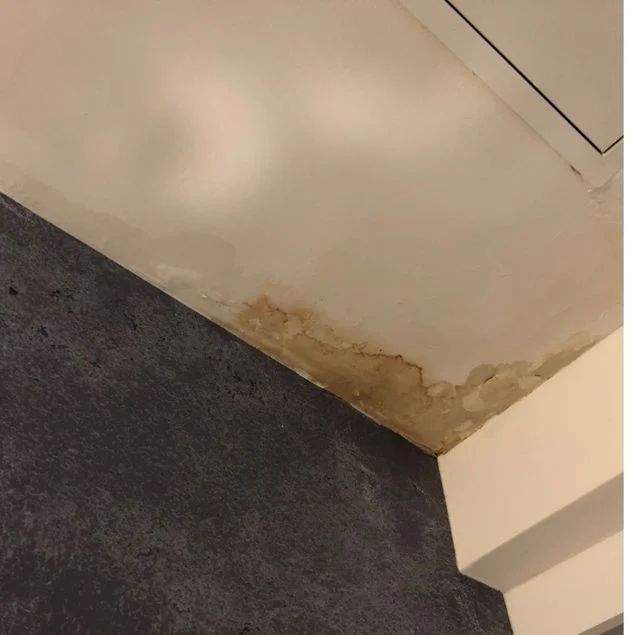
Steps to Stop Roof Leaks and Drain Water from the Roof:
- Contain the Drip: Place a bucket under the leak to prevent water damage on the floor. For noise reduction, add a board to let water drip quietly.
- Ensure Safety: Move electronics away from the leak area, and unplug nearby devices to eliminate fire risks.
- Address Bulging Ceilings: Puncturing sagging bulges in the ceiling is crucial. Without intervention, trapped water could cause further harm.
- Drain Water Safely: For significant leaks, puncture with a screwdriver or sharp tool to release pooled water. Keep a bucket ready to drain water from the roof.
Does Homeowners Insurance Cover Roof Leaks?
- Specific Situations Covered: Home insurance may cover roof leaks, but only in certain scenarios, primarily related to extreme weather events.
- Coverage for Weather Damage: Roofs damaged by intense weather like hail storms, tornadoes, snowstorms, and straight-line winds are typically included in the coverage.
- Protection from Falling Trees: Your insurance can also cover damage from tree limbs falling onto the roof during severe storms.
- Exclusions: Normal wear and tear or aging-related roof leaks usually aren’t covered by homeowners insurance.
- Insurance Adjuster’s Role: Claims depend on the insurance adjuster’s inspection findings. If the damage results from extreme weather, your insurance will likely cover it.
- Preventive Measures: Regular roof inspections and maintenance can help prevent leaks. Recommended twice a year, they enable timely repairs before extensive damage occurs.
How Can Findlay Roofing Help With Your Roof Repair Services?
With over 25 years of experience, Findlay Roofing is your trusted partner for comprehensive roof repair services. Our dedicated team excels in assessing whether your roof requires repair or replacement, making the decision-making process seamless. Serving the Atlanta region since 1995, we pride ourselves on exceptional service and meticulous attention to detail. Count on us to guide you toward the best solution for your home. Beyond repairs, we meticulously inspect for mold and moisture-related issues, ensuring a thorough restoration. Contact Findlay Roofing today to experience top-notch expertise and restore your roof to its prime condition. Your reliable roofing solution awaits – call us now.
-
Everything You Need to Know About Roof Inspections
For homeowners, a storm can bring many concerns, from power outages to water damage. One of the most significant worries is the potential for roof damage and the costly repairs that come with it. Detecting storm damage on your roof early is essential to minimize the impact on your home and prevent further problems. However, identifying the signs of storm damage may not always be straightforward, especially for those unfamiliar with roofing systems and potential issues. Here are a few things to keep an eye out for when evaluating signs of storm damage on your roof, as well as when it’s time to schedule a professional roof inspection to maintain the integrity of your home.
Visible Damage from the Ground: An easy way to check for storm damage is to inspect your roof from the ground, looking for obvious signs of damage:
- Missing or damaged shingles
- Curling or buckling shingles
- Debris on the roof.
- Damaged or exposed flashing
- Any sagging areas
- Damaged soffits or fascia
Check Gutters and Downspouts: Gutters and downspouts can also provide clues about possible roof damage. Inspect them for:
- Granules from shingles: Excessive granules in gutters indicate that your shingles deteriorate due to storm damage.
- Dents or other damage: Hailstorms can dent gutters and downspouts, hinting at potential roof damage.
Inspect the Attic for Leaks: After a storm, inspect your attic for signs of leaks, such as water stains, damp insulation, or mold. Even small leaks can lead to significant water damage if left unaddressed, so it’s crucial to catch them early.
Look for Interior Water Damage: Water damage inside your home can also indicate a damaged roof. Check your ceilings and walls for water stains, peeling paint, or bubbling wallpaper. Please contact us if you notice any of these signs. A professional to assess the situation and determine the cause of the damage.
When to Schedule a Roof Inspection: Regular roof inspections are crucial, especially before and after winter, to ensure your roof is prepared for harsh weather conditions. Timely inspections can help identify potential issues exacerbated by storms or freezing temperatures, enabling you to address them before they lead to more significant problems.
However, it’s especially important to have your roof inspected as soon as possible after a severe weather event. While you can check for signs of storm damage, some issues may not be visible from the ground or inside your home.
Roof inspections performed by professional contractors are essential in identifying and addressing roof damage before it becomes a more significant problem. Contractors can access tools and techniques, like thermal imaging and drone inspections, to help identify hidden damage or leaks and thoroughly assess your roof’s condition. During roof inspections, a contractor will:
- Look for missing or damaged shingles on your roof, leaks and other issues.
- Check the condition of your roofing materials, such as the underlayment and flashing, to ensure they still function properly.
- Inspect the roof’s ventilation and insulation systems for signs of damage or inefficiencies.
- Use thermal imaging to detect heat loss or moisture issues that may indicate damage beneath the surface.
- Employ drone inspections to access hard-to-reach areas and obtain a comprehensive view of your roof’s condition.
If your roof has sustained storm damage, the next step is to contact your insurance company and file a claim. Many homeowners insurance policies cover storm damage, but it’s essential to document with photos and videos the damage found.
Our Best Advice
Early detection of storm damage on your roof is vital for safeguarding your home against further complications and costly repairs. Remember to schedule regular inspections and prioritize them after severe weather events to ensure the longevity and safety of your roof.
If you suspect any damage, contact our team today for expert advice, prompt service, and, most importantly, peace of mind for you and your family, knowing your home will be repaired and well-protected for future weather conditions.
-
Maintaining your home’s structural integrity is essential to you and your loved ones’ safety and peace of mind. Roofs, in particular, are a critical component of your home’s capacity to provide you with shelter and protection from the elements, which is why regular roof inspections ensure your well-being and limit expenses by addressing issues before they become major concerns. Unfortunately, roofs don’t last forever, so you’ll need to be on the lookout for signs your home is due for another roof inspection. Roofs are constantly exposed to weather conditions and other environmental elements, and some roofing problems might not be immediately visible. Regular inspections help identify and resolve potential issues, and knowing your roof is in good shape provides peace of mind. Keep reading for signs your roof needs an inspection from a reputable roofing company.
Maintaining a Clean Roof for Longevity
Regular roof cleaning is vital for preserving your home’s roof and ensuring its durability. Over time, dirt, debris, algae, and moss can accumulate, compromising the roof’s structural integrity. To address the question “How often should you clean your roof?” the general recommendation is at least once a year, with variations based on climate and roofing material. Humid areas might require more frequent cleaning due to increased moisture levels that encourage growth.
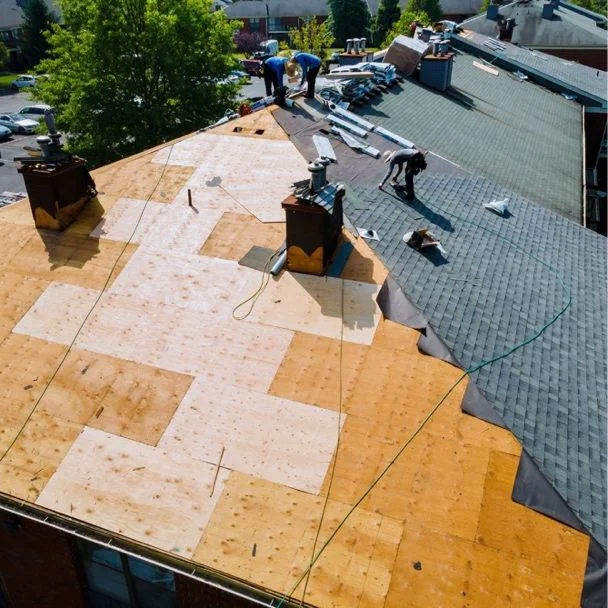
Contact Findlay Roofing, Atlanta’s most trusted roofer, for professional roof care. Their expert team offers comprehensive roof cleaning, inspection, and maintenance services. By scheduling routine cleanings, you enhance your home’s curb appeal and prevent potentially costly damage. Choose Findlay Roofing to ensure your roof’s longevity, giving you peace of mind for years.
The Top Indicators It’s Time to Hire Roofing Inspectors
- The Roof’s Age: Aging roofs are prone to wear and tear, so if your roof is 20 years or older, it’s wise to arrange regular inspections—even if you haven’t noticed any other issues. Better safe than sorry!
- Recent Weather Events: Storm damage from severe weather events like hail, strong winds, and falling debris may negatively impact your roof’s structural integrity. Remember that storm damage comes in many forms, and not all storm damage is readily visible to a layman’s eyes.
- Leaks or Water Stains: Not surprisingly, water stains on your ceiling or walls may indicate a leaky roof. If you notice any discoloration or moisture indoors, it’s a sign that you need to call your local roofing inspectors to identify and address the source of this damage.
- Your Roof is Sagging: If your roof appears sagging or uneven, it may be a sign of water damage or other structural issues. Sagging roofs never improve on their own, so you should arrange for an inspection ASAP to prevent further difficulties.
- Damaged or Missing Shingles: Visible signs of damaged, cracked, curled, or missing shingles are a straightforward signal that your roof needs professional attention. These issues can expose the building’s underlying structure to water damage and other environmental hazards, requiring a prompt inspection to avoid compounding the problem.
- Granule Loss: If you notice shingles accumulating in your gutters or around other areas of your property, it might be a warning sign that your shingles are beginning to deteriorate. Granules are part of your roof’s line of defense against harmful UV rays, so losing them will negatively affect its long-term durability.
- Cracks of Light in the Ceilings and/or Roof: It’s great to have natural light sources in your home, but not when they’re caused by roof damage. If you can see sunlight through your attic ceiling, it most likely means openings are caused by damaged or missing shingles. This should be addressed promptly to prevent water infiltration and other further damage.
- Increased Energy Bills: Are your energy costs rising even though you haven’t changed your electricity usage? A sudden and unexplainable increase in your energy bills could be due to poor insulation or ventilation in your attic, which may result from roofing issues. A timely roofing inspection will help identify and rectify this issue.
Regular Roofing Inspections Help Keep Your Home in Top Condition
Regular roofing inspections help identify problems and prevent costly repairs down the line. If you notice any of these signs or have concerns about your roof’s condition, let us help: At Findlay Roofing, we understand the value of routine inspections, prompt repairs, and thorough upkeep to extend your roof’s lifespan.
Aside from providing industry-leading service, our roofing and installation crew possess over 25 years of industry experience. Call us today for a free roof inspection and expert advice. Our services have a lifetime leak warranty, ensuring your peace of mind.
-
Your roof is vulnerable to various weather conditions that can severely damage it. Windstorms, heavy rain, thunderstorms, hailstorms, and snowstorms are all potential threats that weaken your roof’s structure and cause shingle damage, water leaks, and other issues. For example, strong winds during a windstorm can damage the shingles, clog the gutter, leak water into the house, and even blow off the shingles entirely. Heavy rainfall and thunderstorms also greatly threaten your roof because they collapse its structure. Standing water caused by such storms can even lead to roof holes, weakening the adhesive between shingles.
Hailstorms don’t last as long as rain or rain storms, but they do just as much damage. If you think a storm may have caused damage to your roof, have a professional roofer look at it. They can assess the damage and recommend necessary repairs or replacements. Some roofing contractors also offer emergency services for storm damage, such as tarping the roof to prevent further water damage. Addressing storm damage to your roof immediately helps prevent further damage and ensure your property’s safety. This article evaluated various aspects of wind and hail damage to roofs and provided a detailed overview of all the necessary information about potential roof damage. We’ll explain everything, from identifying common issues to implementing effective preventive measures.
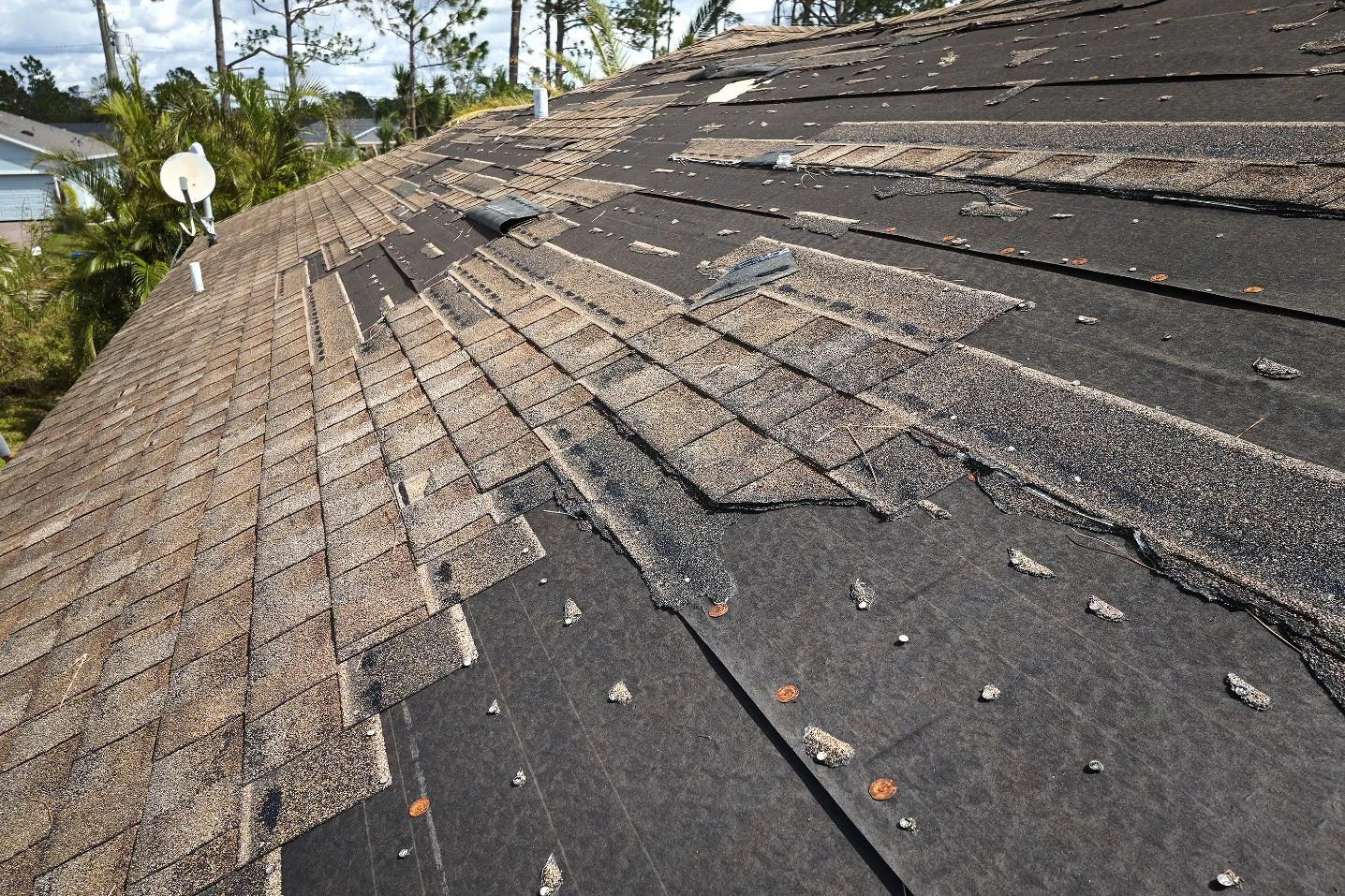
Roof Damage: Answers to Your Questions About Hail and Wind Damage
- Hail or wind damage to roof: strong winds and debris carried by the wind during a wind or hail storm cause significant damage to the roofing system, including loose and missing shingles, cracks, holes with water leakage, and other roofing difficulties.
- Signs of wind or hail damage: Signs of wind or hail damage to the roof include granules coming off the shingles, cracks, bruises, or dents on the shingles, weakened shingle seal, and water leaking through cracks and holes caused by the storm.
- Things to do after wind or hail damage: Call your insurance company immediately when you notice signs of roof damage after a wind or hail storm, request that your claim be approved, and find an expert roofing contractor. If your claim is not approved, ask your roofing contractor to present the necessary documents to help you prove your claim. Once your claim is approved, repair your damaged roof before the damage spreads and worsens.
- Insurance coverage for hail and wind damage to the roof: Your homeowner’s insurance will cover your wind or hail damages according to your policy conditions. Factors influencing the coverage are the roof’s age, prior condition, and unresolved maintenance issues on your behalf.
- The time needed to repair wind or hail roof damage: Your roofer might take 1-5 days to fix the problems with intermediate difficulty. The extent of the damage will likely determine the repair time. The repair might take longer than expected if the weather conditions are unfit for roof inspection and repair.
- Ways to prevent wind or hail damage: Use an entirely waterproof plywood sheet over your roof as an extra layer of protection, cut down tree branches near your roof, and make sure your roof sheets are installed and sealed correctly.
- Number of inspections for wind or hail damage to roof: It’s recommended to conduct regular roof inspections twice a year or immediately whenever a major weather event, such as a wind or hail storm, passes. You must evaluate and address wind and hail damages without delay.
- Choosing a roofing contractor: Working with a local contractor with several years of experience and proven credibility is safe. More importantly, select a company that can be your advisor when insurance claims are involved.
- Ways to protect the roof from wind or hail damage: Conduct scheduled inspections to discover and address the signs of potential damage. It’s best to install durable and wind-resistant roofing materials if your region faces frequent storms. If your shingles are old, replace them before the next storm hits.
Additional problems caused by wind or hail damage: Wind or hail damage to your roof can lead to other problems, such as:
- Water leaks and mold growth resulting from damaged or missing shingles or tiles
- Higher energy bills due to compromised insulation from damaged roofing
- Decreased property value because of the visible damage and the need for repairs
- Safety hazards like falling debris or a weakened roof structure
Protect Your Roof Today
Dealing with a damaged roof, especially after a storm, is dangerous. Leave the work to the experts of Findlay Roofing, a trusted roofing company serving Atlanta since 1995. At Findlay Roofing, we know that a damaged roof can cause major headaches for homeowners. As Georgia’s largest full-service roofing contractor, we’ve built our reputation on quality workmanship and materials. We’re proud to be a National Roofing Contractors Association member and an Owens Corning Platinum Preferred Contractor. With our lifetime leak-free warranty and commitment to only accepting payment once our work is complete, you can trust that we stand behind our work. Call us today for all your roofing needs.
-
Most people don’t enjoy cleaning, and even fewer view roof cleaning as anything other than a tedious chore to be avoided—Does anyone look forward to cleaning out the gutters? However, maintaining your home requires more than cleaning and repairing the interiors and improving the landscaping. Your roof is the building’s first defense against the elements and requires at least as much attention. We understand that roof cleaning might not seem essential, but don’t overlook its importance: Beyond the aesthetic considerations, there are other compelling reasons to ensure your roof remains free of debris and other contaminants.
So now that we’ve established its necessity, how often should you clean your roof? The answer depends on various factors, including the climate, the type of roofing materials in your home, and the surrounding environment. For example, if your area typically experiences heavy rainfall and high humidity or is prone to moss and algae growth, you might need to clean your roof more frequently. Keep reading for more information about the advantages of regular roof cleaning.
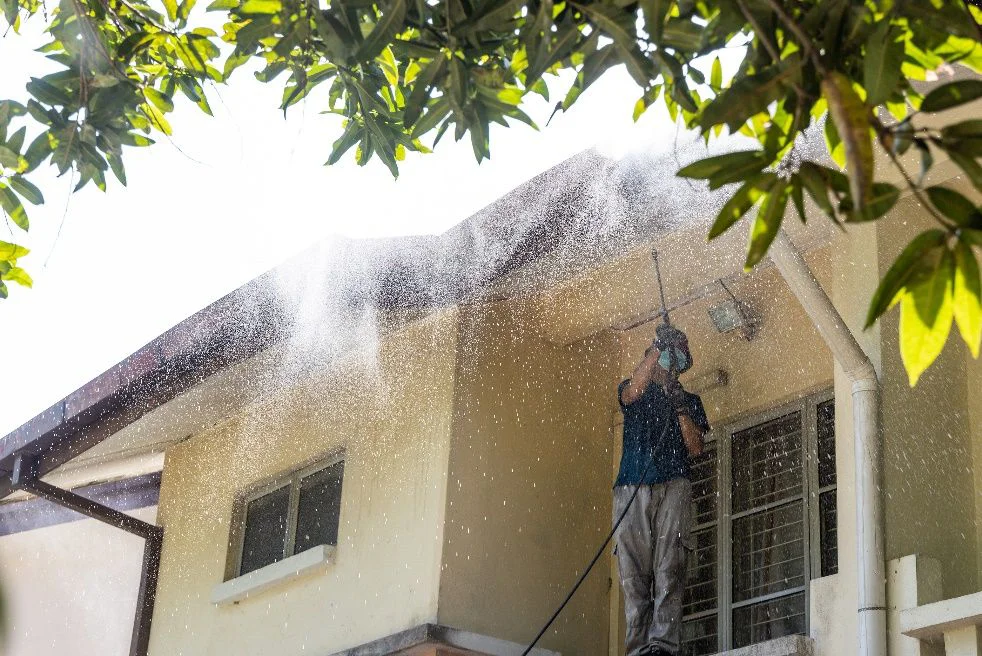
Why It’s Important to Clean Your Roof
- Prevent Damage: Anyone who’s ever owned a home knows that your roof gradually accumulates debris like leaves, branches, moss, and algae. This debris often traps moisture, creating the perfect environment for mold and mildew to grow, which over time, will deal damage to your roof’s underlying structure. Regularly cleaning your roof prevents this detrimental buildup, thereby extending the life of your roof.
- Maintain Appearance: Appearances matter, and your home is no exception: A clean, visually appealing roof contributes to your home’s overall appearance. Stains, discoloration, and unsightly plant growths will more than likely cause your house to look older and less appealing and poorly maintained. On the other hand, regular cleaning will help preserve your property’s curb appeal.
- Prevent Water Damage: If your roof is covered in debris, this may trap water and cause it to puddle on the surface. This standing water might seep into your roofing materials, triggering leaks and damaging your home’s interior. Luckily, regular cleaning ensures water flows off the roof properly, preventing any water damage.
- Energy Efficiency: Certain types of growth on the roof, like moss and algae, sometimes retain heat and reduce your home’s energy efficiency by increasing heat absorption. Keeping your roof clean will help maintain a more temperature-controlled environment indoors, saving avoidable energy costs.
- Avoid Structural Issues: There are many ways accumulated roof debris negatively impacts your home’s roof: If enough debris builds up, it will add extra weight that your roofing structure may not handle. This added weight could potentially lead to structural issues over the long run.
- Warranty Considerations: To remain valid, some roofing warranties mandate regular maintenance, including cleaning. Failing to clean your roof as required by the warranty could void the coverage, leaving you on the hook for potential long-term costs.
Don’t be Afraid to Ask for Help—Hire the Best Roof Cleaner
To safely and effectively clean your roof, you must use proper techniques and the right equipment to avoid causing damage. The ideal cleaning methods may vary depending on your roofing materials, e.g., shingles, tiles, metal, etc. In some cases, it might be best to hire a professional roofing contractor who has the expertise and equipment to tackle this project for you.
That’s where Findlay Roofing comes in: Besides providing best-in-class service, our roofing and installation crew has over 25 years of industry experience. Call us today for a free-of-cost roof inspection and expert advice. Best of all, our services carry a lifetime leak warranty, ensuring your continued peace of mind.
-
Your roof, a silent guardian that shields your home from the elements, plays a vital role in maintaining the sanctity of your living space. However, as time passes, wear and tear become inevitable, prompting the need for a timely and cost-effective roof replacement.
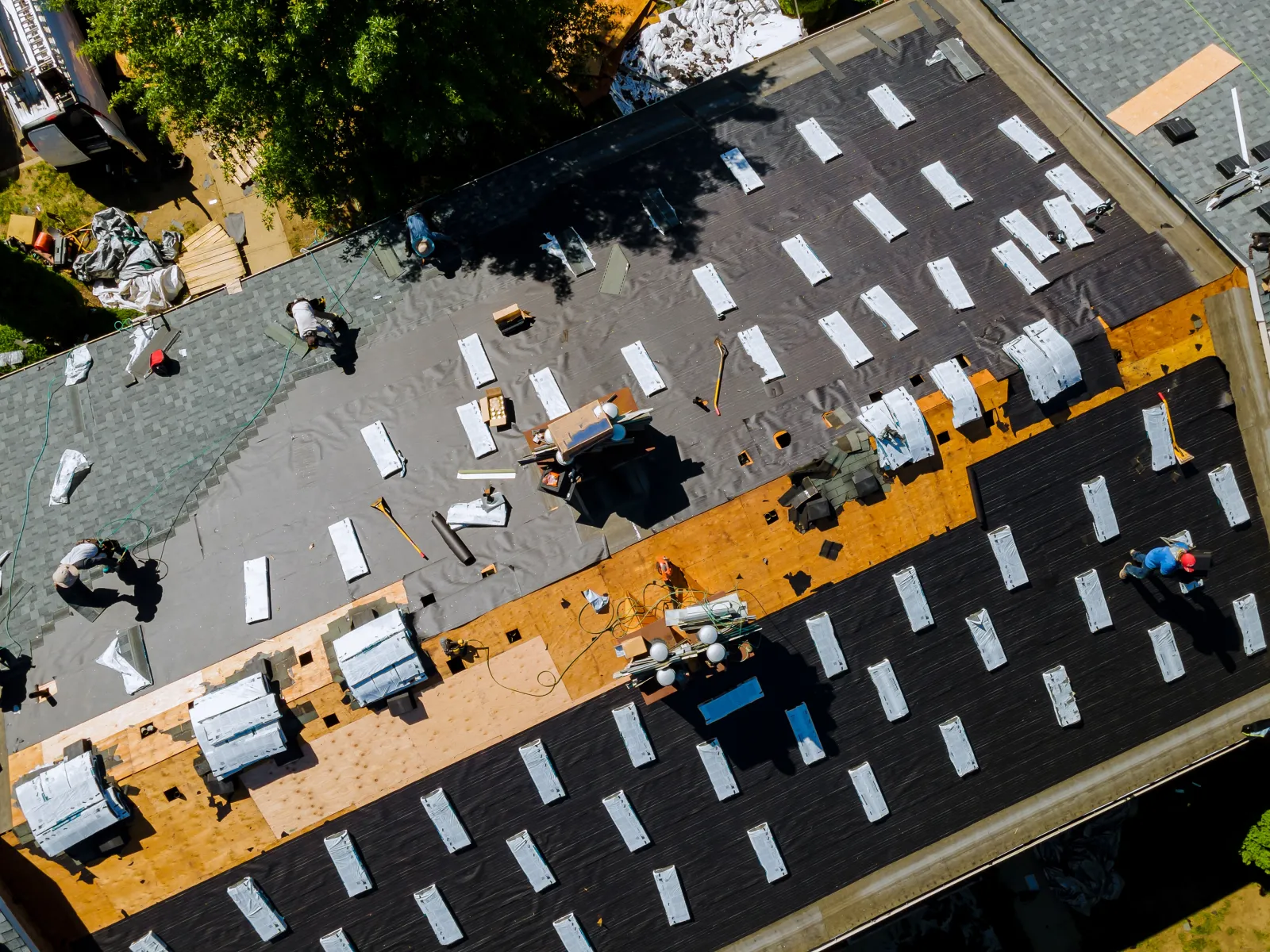
The first question you might ask is: When is the cheapest time to replace your roof? Let’s explore the nuances of scheduling an affordable roof repair and understanding the average cost for roof replacement.
Affordable Roof Repair and Replacement
Affordable roof repair is a term that resonates with homeowners seeking to balance quality and cost-effectiveness. Understanding when to embark on this journey can significantly affect your overall expenses. The first step is to recognize the signs of an aging roof:
- Curling shingles
- Water stains on ceilings
- Visible wear and tear
Identifying these indicators early on allows you to plan for a replacement before more extensive damage occurs.
Average Cost for Roof Replacement
Let’s address the burning question: When is the cheapest time to replace your roof? Timing is everything when it comes to the overall cost of roof replacement. Like any industry, the roofing business experiences fluctuations in demand throughout the year. Knowing when the slow season for roofing occurs can be the key to unlocking substantial savings.
The average cost for roof replacement varies depending on factors such as the size of your roof, which materials are used, and the extent of any damage. However, planning your roof replacement during the slow season for roofing can work to your advantage.
When Is the Slow Season for Roofing?
Typically, the slow season occurs during the late fall and winter months when roofing contractors experience declining demand. During the slow season for roofing, contractors are more likely to offer competitive pricing and discounts to attract business. With fewer projects in the queue, they have the flexibility to accommodate your needs promptly. This presents an opportune moment for homeowners to schedule an affordable roof repair or a complete replacement without compromising quality.
For several reasons, the late fall and winter months are considered the slow season for roofing. First, homeowners tend to delay roof-related projects until the warmer months, assuming that roofing work is best suited for fair weather. Second, roofing contractors may have fewer projects during colder seasons, allowing them to allocate more time and attention to each job.
Beyond the advantage of potential cost savings, scheduling your roof replacement during the slow season for roofing also has practical benefits. Contractors will likely have more availability, ensuring your project can be completed without unnecessary delays.
Additionally, the cooler temperatures during these months may be more conducive to installing roofing materials, preventing issues related to excessive heat.
It’s important to note that while late fall and winter are generally considered the slow season for roofing, weather conditions can vary by region. It’s advisable to consult with local roofing experts to determine the best time for your specific location.
The quest for an affordable roof repair or replacement is not just about finding the right contractor or choosing quality materials — it’s also about timing. Understanding the dynamics of the slow season for roofing empowers homeowners to make informed decisions that align with their budgetary constraints. The next time you contemplate a roof replacement, consider the season, seize the opportunity, and embark on the journey to a secure, cost-effective roofing solution. After all, when it comes to your home, timing is everything.
Choose Findlay Roofing
Since 1995, Findlay Roofing has been providing outstanding service and meticulous attention to detail in repairing and replacing roofs across the Atlanta area. What began as a modest roofing company in Atlanta swiftly grew into Georgia’s largest full-service roofing contractor, propelled by commendations from current and former clients.
We are comprehensively insured for both liability and workers’ compensation. Demonstrating our assurance in our work and materials, we provide a lifetime Leak-Free Warranty and only request payment upon completing our committed tasks. So contact us today to get started and schedule service.
-
In any home, a roof is the first line of defense against the elements, shielding the entire house from damage. A drizzle or snow may not seem like a big deal, but sometimes, nature can unleash its full fury. The recent devastation caused by the hurricane has left many people in shambles trying to rebuild their homes and lives. Extreme weather can cause severe damage to homes, especially those with poorly maintained or inadequate roofing. Whether it’s a hurricane, tornado, or storm, you want to protect your family and belongings well. However, some believe metal roofing is easily damaged by harsh weather and, therefore, a poor choice. Metal roofs, especially black metal roofs, can withstand hailstorms and severe winter weather without damage, offering longer-lasting and more reliable protection than many other roofing styles.
Metal roofing offers several advantages to the properties where they’re installed and performs admirably in withstanding natural disasters. This guide explores how metal roofs can withstand extreme weather in various scenarios.
Metal roof vs shingles in hot climate
- Heat Reflectivity: Metal roofing significantly deflects solar radiation, reducing heat absorption. This reflective nature is a boon during hot summer days as it moderates the indoor temperature, reducing the strain on HVAC systems. Conversely, shingles absorb a large portion of the sun’s heat, transferring it into the building, leading to higher indoor temperatures requiring more energy for cooling.
- Energy Efficiency: The energy efficiency of metal roofs is notable. By reflecting the sun’s rays, metal roofs help reduce cooling costs by up to 15%. The savings are especially noticeable in hot climates with continuously running air conditioning systems. Shingles, conversely, make HVAC systems work harder due to heat retention, leading to increased energy bills.
- Durability: The durability of metal roofs in hot climates is superior compared to shingles. They are not prone to warping or cracking under extreme heat, ensuring longevity and reduced maintenance costs. Shingles may deteriorate faster under the hot sun, requiring more frequent repairs or replacements.
- Color Variability: Metal roofs offer a variety of colors with different reflective capabilities. The best metal roof color for hot climate is white or lighter shades, as they reflect the maximum amount of sunlight, helping keep the building cool. Shingles have limited color choices, and their reflective capabilities are less effective.
Metal roof vs shingles in cold climate
- Snow Shedding: Metal roofs excel in shedding snow. Their smooth, slippery surface allows snow to slide off, preventing accumulation and the formation of ice dams, which are common problems with shingle roofs.
- Insulation: Although metal is a poor insulator, metal roofing can retain heat effectively with proper insulation materials installed beneath. This quality helps in keeping the indoor environment warm, reducing heating costs. Shingles may not provide the same level of insulation, leading to higher heating costs.
- Waterproofing: Metal roofs are inherently waterproof, providing excellent protection against rain and melting snow. Shingles, although designed to repel water, can suffer from leaks, especially as they age or are poorly installed.
Black Metal Roof
A black metal roof offers an aesthetic appeal with its sleek appearance, fitting with various architectural styles. They are energy efficient to some extent, especially in colder climates where they can absorb heat and help warm the interior spaces. However, they can absorb a substantial amount of heat in hot climates, potentially increasing cooling costs. The darker color may also make them prone to fading over time, requiring additional maintenance or refinishing to maintain their appearance.
The comparison between metal roof vs shingles in hot climate and metal roof vs shingles in cold climate leans favorably towards metal roofing due to its durability, energy efficiency, and ability to withstand extreme weather conditions. Whether considering a bold black metal roof or deciding on the best metal roof color for hot climate, homeowners have a palette of options to choose from to suit their specific climatic and aesthetic needs. Metal roofing may cost more upfront than shingles. Still, the long-term benefits of reduced energy bills, minimal maintenance, and a longer lifespan make metal roofing a wise investment for those living in areas with extreme weather conditions.
Are you in the Atlanta area, and you want your house or office to experience superior workmanship? Contact us at Findlay Roofing, and make your roof the envy of the neighborhood.
-
In roofing solutions, PVC roofing membrane and TPO roofing membrane stand out as two strong contenders. As property owners and builders seek the perfect roofing material, it becomes crucial to understand the nuances between these two membranes. Explore the differences and determine which solution best fits your needs.
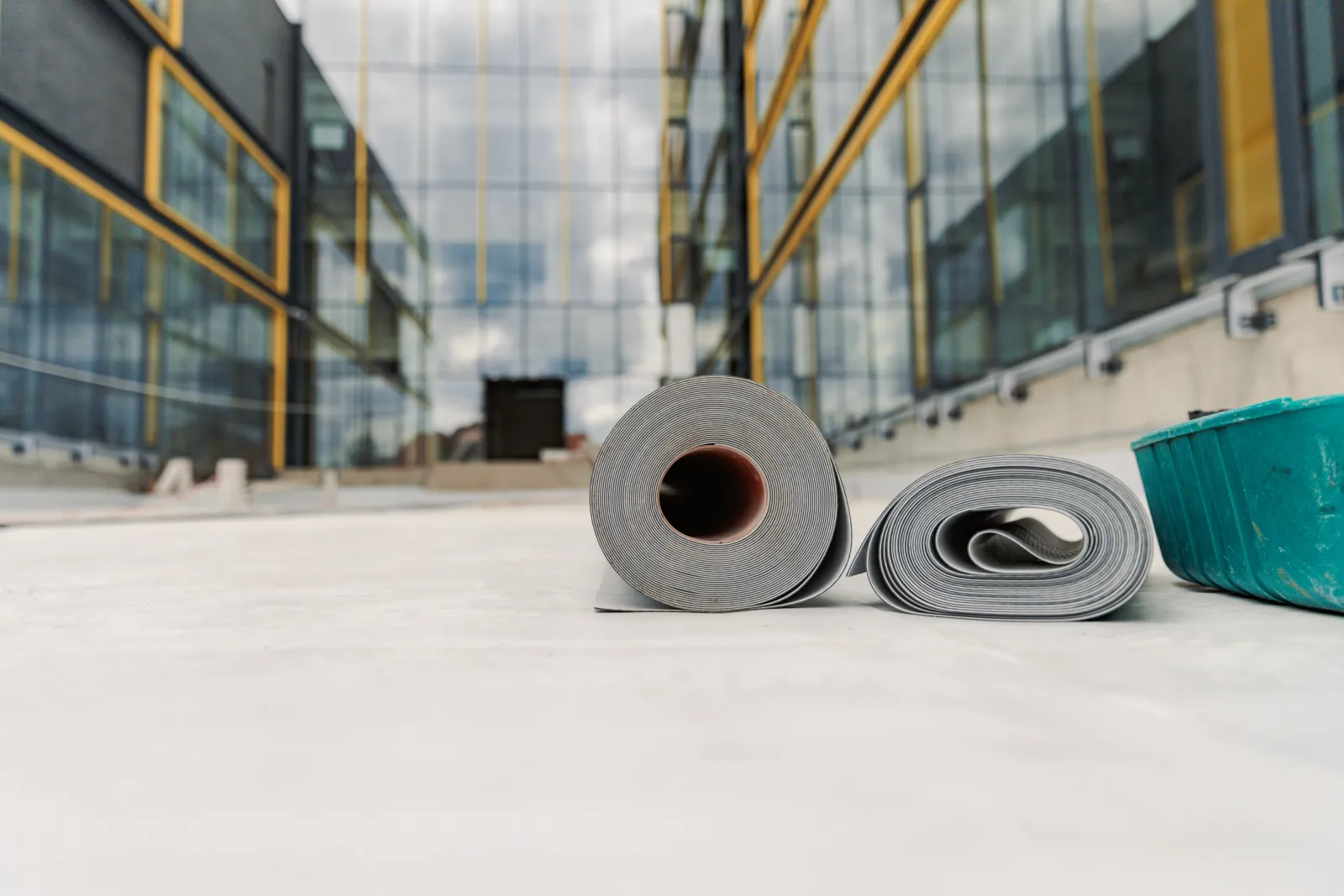
PVC Roofing Membrane: A Versatile Guardian
PVC roofing membrane, or polyvinyl chloride, has become a durable and versatile material. PVC is renowned for its exceptional durability, designed to withstand the most severe weather conditions, such as UV radiation, extreme temperatures, and chemical exposure. This makes it an ideal option for both residential and commercial uses.
The key to PVC’s durability lies in its composition. Reinforced with polyester or fiberglass, PVC membranes demonstrate exceptional strength while remaining lightweight. This combination improves durability and simplifies installation, reducing labor costs.
PVC’s distinctive feature is its hot-air welded seams. This innovative welding technique ensures a watertight seal, making PVC roofing a strong defense against leaks. Additionally, the reflective surface of PVC membranes contributes to energy efficiency by reflecting sunlight and reducing cooling costs during hot weather.
TPO Roofing Membrane: The Eco-Friendly Choice
On the other end of the roofing spectrum is the TPO roofing membrane, which stands for thermoplastic olefin. TPO has gained traction due to its environmentally friendly attributes and cost-effectiveness. Composed of a blend of polypropylene and ethylene-propylene rubber, TPO is praised for its energy-efficient properties and easy installation.
TPO roofing offers a significant advantage with its reflective surface that decreases heat absorption and reduces energy usage. Property owners looking to improve sustainability and reduce their carbon footprint often turn to TPO roofing as an environmentally conscious choice.
TPO vs PVC Roofing: A Comparison
When considering TPO vs PVC roofing, key factors can influence your decision. Cost-effectiveness is often a crucial consideration, with TPO gaining an advantage due to its relatively lower material costs. The simplicity of TPO installation also contributes to its cost efficiency, saving both time and labor expenses.
However, PVC’s ability to withstand wear and tear and its chemical resistance make it the top choice when contact with harsh substances is considered. PVC’s hot-air welded seams offer extra protection against leaks, making it a great option for regions with high precipitation or severe weather.
Durability is a common characteristic of both membranes. Still, PVC typically has a longer lifespan, making it a wise investment for those seeking a roofing solution with minimal long-term maintenance needs.
While PVC and TPO offer reflective surfaces, TPO’s white surface excels in reflecting sunlight, making it particularly effective at maintaining a cooler indoor environment. This reflective quality benefits the property owner by reducing energy bills and contributes to environmental conservation.
Choosing the Right Membrane for Your Needs
Ultimately, the decision between TPO vs PVC roofing depends on your specific needs and priorities. If cost-effectiveness and environmental considerations are at the forefront of your decision-making process, TPO may be the ideal choice. However, if durability, chemical resistance, and a longer lifespan are crucial, PVC roofing may emerge as the top choice.
Before deciding, consult roofing professionals to assess your property’s requirements. Consider factors such as the climate in your area, local regulations, and the intended use of the building. Both PVC roofing membrane and TPO roofing membrane offer distinct advantages, and making a well-informed decision will ensure that your roofing investment stands the test of time.
The choice between PVC and TPO is not a one-size-fits-all scenario. Each membrane has its strengths, and understanding the nuances is crucial for deciding to align with your long-term goals. So, whether you choose the resilient versatility of PVC or the eco-friendly charm of TPO, your roof will undoubtedly be the crowning glory of your property. If you need assistance with your roofing decisions, contact Findlay Roofing today.
-
With roofing trends changing and various roofing materials and solutions to choose from, customers often have questions about roofing terminology. You aren’t alone if you’ve ever heard a roofing term and wondered what it meant.
Take the term “parapet wall.” It might call to mind medieval fortresses, but a parapet wall is a fairly common roofing solution used in many home styles and locations.
What is a Parapet Wall?
A parapet wall is an extension of the wall at the edge of a roof, terrace, balcony, or other structure. They are typically low or medium height and offer a blend of functional and aesthetic benefits to a building. Parapet walls come in various design options, ranging from simple and unadorned to intricately detailed, harmonizing with the main structure’s architectural style.
Why Install a Parapet Wall?
Traditionally, parapet walls served as defensive structures. Modern settings’ primary function pivots towards ensuring safety and enhancing aesthetic appeal.
- Safety: Parapet walls act as guard barriers on balconies, terraces, or flat roofs, preventing accidents and falls. They also delineate spaces effectively, providing visual and physical borders ensuring safe and functional usage of these areas.
- Aesthetics: Parapet walls, especially flat roofs, lend a finished look to buildings. They can be designed to complement the building’s architectural style, enhancing its overall aesthetic appeal. Parapet walls flat roof designs often contribute to a modern, sleek look.
Challenges with Parapet Walls?
Despite the advantages, there are challenges associated with parapet walls, mainly due to their exposure to weather elements. Being exposed on three sides, they are susceptible to weather-induced damage over time, requiring regular inspection and maintenance to address issues like water stains, cracks, or detachment.
Maintenance of Parapet Walls
Maintaining a parapet wall is crucial to ensure its longevity and functionality. Due to its exposure to weather elements, a proactive maintenance approach is advisable.
- Regular Inspection: It’s vital to have regular inspections to detect any signs of wear or damage early. This includes looking for cracks, water damage, or any loose materials that may have become dislodged over time.
- Cleaning: Keeping the parapet wall clean from debris, moss, or algae will prevent blockages and potential water damage. It’s advisable to clean your parapet wall at least twice a year or more frequently, depending on the climate and environment.
- Repair: Prompt repair is necessary when damage is detected. Whether it’s a small crack or a larger issue, addressing problems early can prevent more extensive and expensive repairs in the future.
- Waterproofing: Ensuring your parapet wall is adequately waterproofed is crucial to prevent water ingress, which can lead to structural damage. Applying a waterproof coating or sealant is a preventive measure that can enhance the durability of your parapet wall.
Increasing Energy Efficiency with Parapet Walls
Parapet walls can also contribute to a building’s energy efficiency. They provide an additional barrier against wind, helping to reduce drafts and heat loss, especially in cold climates. Moreover, in warmer climates, a well-designed parapet wall can provide shading, reducing the amount of solar heat gain and aiding in keeping the interiors cool.
How to Modernize a Parapet Wall?
Modern parapet wall design has evolved to include various materials and styles, ensuring a fresh, contemporary look. Here are some suggestions:
- Modern Materials: Modern parapet walls aren’t confined to traditional materials like cement or wood. Utilizing modern materials like glass, metal, or composites with sleek design features can lend a minimalist yet stylish look.
- Design Elements: Integrate distinctive design elements into your parapet wall to reflect your home’s unique aesthetic. Incorporating tilework, brickwork, or other textural details can turn the parapet wall into a design statement.
- Play with Shape: Experiment with different shapes for a distinctive appearance. Curved or geometrically designed parapet walls can add a touch of modern elegance to your home.
Interested in installing a parapet wall in your home and wondering if it’s the best choice? At Findlay Roofing, we can answer your questions and give you options. We’re excited to help you create a modern parapet wall that fits your budget and design choices. Contact us today to get started.
-
Regarding roofing solutions, durability is a non-negotiable aspect that property owners prioritize. Among the array of roofing materials, TPO roof material is known for its remarkable balance of cost-effectiveness and performance.
One burning question that often arises in the minds of those considering TPO roofing is: How long does TPO roof last? Let’s explore the TPO roof life expectancy and understand what makes it a durable choice for residential and commercial roofs.
Decoding the Composition of TPO Roof Material
Before we discuss the lifespan of TPO roofs, it’s important to understand the composition of TPO roof material. TPO, or thermoplastic olefin, is a polypropylene and ethylene-propylene rubber blend. This combination results in a roofing material with exceptional strength, flexibility, and resistance to environmental elements.
The durability of TPO is attributed to its capacity to endure the effects of weather and temperature changes. This thermoplastic material is designed to withstand ultraviolet (UV) radiation, ozone exposure, and chemical exposure, ensuring it remains resilient against environmental elements throughout its lifespan.
TPO Roof Life Expectancy: A Durable Performance
One of the defining characteristics that sets this roofing apart is its impressive life expectancy. Well-installed and properly maintained TPO roofs can last 15 to 30 years. This range demonstrates the durability of TPO roofing and its capacity to offer long-term protection for structures.
Several factors contribute to the durability of TPO roofs. The reflective surface of TPO helps deflect sunlight, preventing heat absorption that can lead to premature aging. This ability to reflect light helps to save energy and is essential for prolonging the durability of the TPO roof material.
Additionally, TPO roofs offer excellent resistance to dirt, debris, and microbial growth, reducing the likelihood of damage caused by external elements. Regular inspections and timely maintenance further extend the overall lifespan of TPO roofs, ensuring that they continue to perform optimally over the years.
How Long Does TPO Roof Last Compared to Other Materials?
When considering roofing options, it’s natural to compare the lifespan of TPO roofs with other materials available in the market. In this regard, TPO stands its ground admirably. While some premium roofing materials may not have a decades-long lifespan, TPO excels in providing a cost-effective solution that lasts a considerable amount of time.
TPO roof life expectancy is notably longer than that of traditional roofing materials like asphalt shingles. Additionally, the simplicity of installation and reduced material expenses add to the overall affordability of TPO, making it an appealing choice for budget-conscious property owners needing a long-lasting roofing option.
Tips for Extending the Lifespan of TPO Roofs
While TPO roofs are designed to be long-lasting, there are steps that people can take to ensure that their roofs reach or even exceed the upper end of the expected lifespan range. Regular inspections by qualified roofing professionals can identify and address potential problems before they escalate, preventing premature wear and tear.
Regularly cleaning TPO roofs to remove dirt, debris, and accumulated contaminants is another crucial maintenance practice. This not only enhances the roof’s aesthetic appeal but also prevents potential damage that could compromise its longevity.
Taking proactive measures to protect the TPO roof material can contribute to its extended lifespan in areas with severe weather conditions, such as heavy snowfall or intense sunlight. Implementing reflective coatings or insulation to mitigate the impact of harsh elements can be beneficial and help prevent the need for roof replacement.
Investing in Long-Term Protection
TPO roofs emerge as a commendable choice in the quest for a roofing solution that balances durability, cost-effectiveness, and performance. The durability of TPO roof material depends on its sturdy design, weather resistance, and the dedication of property owners to regular maintenance.
With a TPO roof life expectancy that spans several decades when properly cared for, TPO roofing stands as a testament to the advancements in roofing technology. As property owners seek to invest in structures that withstand the test of time, TPO roofs shine brightly as a reliable and enduring choice for a wide range of applications.
If you’re considering TPO roofing, rest assured that you’re not just choosing a roof – you’re investing in long-term protection for your property, so contact Findlay Roofing today for assistance.
-
-
Commercial Roofing
-
In commercial infrastructure, the durability of a roof is a crucial factor for property owners and facility managers. As the protective shield against the elements, the average lifespan of a commercial roof is an important consideration.

Understanding Roof Depreciation Life
The concept of roof depreciation life refers to the gradual decrease in the value and functionality of a roof over time. Factors such as weather, environmental conditions, and maintenance practices all contribute to the depreciation process. While some materials are more resistant to wear and tear, every commercial or industrial roof undergoes a natural aging process that eventually necessitates replacement.
Roof depreciation life is a variable that depends on several factors, including the type of roofing materials, the installation’s quality, and the region’s climate. For property owners looking to maximize the return on their roofing investment, it is essential to understand and actively manage roof depreciation.
The Challenge of Industrial Roofs
Industrial facilities often present unique challenges for roofing systems. An industrial roof must withstand heavy equipment, potential chemical exposure, and often large roof spans. These factors, combined with the necessity for regular maintenance, make choosing the right roofing material for industrial settings crucial.
The typical lifespan of a commercial roof is important in different industries, but industrial roofs may deteriorate more quickly because of the harsh conditions they face. Choosing durable roofing materials and commitment to regular maintenance schedules are crucial for preserving the longevity of industrial roofs.
Average Lifespan of a Commercial Roof: Factors to Consider
Determining the average lifespan of a commercial roof involves considering several factors that influence its durability. The longevity of a roof depends on factors such as the roofing material, climate, quality of installation, and regular maintenance.
- Roofing Material: Different materials have varying lifespans. For example, asphalt shingles typically have a lifespan of around 20 to 30 years. In contrast, more resilient options, such as metal roofing or TPO membranes, can extend the average lifespan of a commercial roof to 30 years or more.
- Climate and Environmental Factors: Harsh weather conditions, exposure to UV rays, and extreme temperatures can accelerate roof deterioration. Roofs in areas susceptible to severe weather events may have a shorter lifespan compared to those in more temperate climates.
- Installation Quality: A well-installed roof is a long-lasting roof. Proper installation practices significantly contribute to a roof’s ability to withstand external pressures and maintain structural integrity over time.
- Maintenance Practices: Frequent inspections and prompt maintenance can prolong the life of a commercial roof by several years. Identifying and addressing issues early on prevents minor problems from escalating into major concerns.
Commercial Roof Replacement: Navigating the Inevitable
Despite meticulous care and attention, there comes a time in the lifecycle of every commercial or industrial roof when replacement becomes inevitable. The decision to proceed with commercial roof replacement is often influenced by factors such as extensive damage, structural instability, or a roof reaching the end of its expected lifespan.
Property owners and facility managers can turn the necessity of commercial roof replacement into an opportunity for improvement. Upgrading to more advanced roofing materials or integrating energy-efficient technologies during the replacement process can improve the overall performance of the new roof.
Planning for Long-Term Roofing Success
Property owners are grappling with the question of the average lifespan of a commercial roof, and proactive measures are emerging as the key to success. Establishing a comprehensive maintenance plan, investing in high-quality roofing materials, and staying aware of environmental challenges all contribute to the long-term resilience of commercial roofs.
In commercial real estate, where structures are subjected to diverse challenges, a roof’s lifespan becomes a crucial benchmark. Property owners can confidently manage the durability of their roofing by understanding the complexities of roof depreciation life, the specific requirements of an industrial roof, and the available options for commercial roof replacement.
A well-maintained and strategically managed commercial roof safeguards the assets beneath it and demonstrates a commitment to long-term structural integrity. As you consider the lifespan of your commercial or industrial roof, it’s important to remember that every decision you make today will impact the future of your property. Contact Findlay Roofing for assistance. We are here to answer any questions and help you get started today.
-
One of the most important methods to secure your commercial property is with a solid, long-lasting roof. A PVC flat roof is the most reliable and time-tested roofing material.
While not the cheapest roofing material for flat or low-sloped business roofs, PVC may be excellent for applications with increased chemical and weather exposure, particularly in mild to warm areas. When deciding whether PVC is the best material for your next commercial roofing project, you should also consider how long does PVC roofing last.
What Do We Understand by “PVC Roofing?”
If you’re thinking about “what is PVC roofing?” it is a low-cost but durable plastic widely utilized. It can be formed into various products, including roofing, for its performance qualities.
A PVC flat roof is a thermoplastic membrane consisting of an ethylene-chlorine polymer (often known as vinyl or plastic in common parlance). Because PVC is hard and strong in its natural state, plasticizers are added to make it flexible enough for roofing. A polyester or fiberglass scrim is used to boost tensile strength and longevity.
Why Should You Consider Getting a PVC Roof?
Commercial roofing applications are made from a range of materials. The most typical differentiators between materials are longevity, durability, and affordability, which help lead to the ultimate decision.
Now that you know what PVC roofing is, consider the following benefits of PVC roofing to see whether it’s an appropriate option for your project.
Extremely Durable Material
PVC roofing membranes have proven to maintain and protect roofs worldwide by withstanding some of the toughest strains. They can endure 300 pounds per inch, 100 pounds more than the 200 PPI generally advised.
Resistance to Wind, Fire, and Other Elements
PVC roofing is often installed on flat or low-slope roofs because of their weather resistance. It’s resistant to the growth of mold and mildew, bacteria, fungi, plant roots, and other microorganisms, even in the harshest environments.
A PVC flat roof is also wind resistant because of its welded seams; some varieties have even been demonstrated to withstand Category 4 hurricane winds.
Even at extremely high temperatures, PVC burns slowly and is difficult to ignite. This protects your commercial structure against significant or extensive damage. These roofing systems also resist damage from flame exposure, extreme heat, and lightning strikes.
Environment-Friendly Option
Old PVC roofs are recycled to create new membranes and eventually become the bottom ply because PVC is 100% recyclable. Furthermore, a PVC flat roof may typically be put on top of an existing roof without having to remove it and dispose of it in a landfill.
The two main goals of green building programs—reducing building cooling loads and the urban heat island effect—are greatly helped by roofs made of PVC roofing membrane.
Energy Efficient System
It is known that rooftop environments with lower temperatures are better for HVAC systems. On hot, sunny days, the membrane temperature is greatly kept lower by the high reflectivity of a PVC roof system.
Keeping the building colder and allowing HVAC systems to run less frequently in a cooler climate reduces stress on roof insulation, increases the roof system’s lifespan, and saves energy.
Using this material, you can save up to 40% on your yearly energy bills. Additionally, a PVC roof can increase the efficiency of your roof insulation by up to 25% to 50%. It implies that you will also improve the comfort of the building’s occupants and reduce your heating and cooling expenses.
Increased Curb Appeal
There are many different color options for PVC roofing systems. As a result, you have a wide range of options to choose from to make your commercial building seem its best.
Some industrial roofing materials might fade due to the sun’s UV radiation, but PVC roofs resist fading and damage. A PVC roof can improve the curb appeal of your commercial building. This may help you sell your property quickly or draw in more business.
How Long Does PVC Roofing Last?
If you’re concerned about how long does PVC roofing last, here’s the answer: a professionally installed PVC roof should last at least 20 years with regular care and maintenance, while some have been known to survive up to 30 years before needing replacement. Aside from these factors, roof life expectancy can also be impacted by others, such as frigid temperatures. Moreover, recurring damage may also accelerate the need for a new roof.
PVC is flexible and can withstand the thermal expansion and contraction that commercial roofing systems experience when weather and temperature conditions fluctuate because it is plastic. Additionally, they don’t “cure” with time; thus, they may still be hot air welded (for repairs or other modifications) for their lifespan.
Choose Findlay Roofing for Your PVC Roofing Needs
Choosing a new roof for your commercial property is an expensive investment. Moreover, it can be difficult because of numerous PVC roofing varieties and other commercial roofing solutions.
It is advisable to consult with commercial roofing professionals such as Findlay Roofing if you want to help understand what is PVC roofing and if it’s the right option for your building.
Contact us immediately to create the ideal solution for your commercial project’s requirements.
-
Property owners and commercial developers grapple with the question: What is the best commercial roofing material? As we journey through the nuances of durability, cost-effectiveness, and design, let’s unravel the secrets behind the best choices for commercial roofing.
Finding the best commercial roofing material is a multi-faceted journey that considers various factors. The ideal material must blend resilience and functionality from climate considerations to structural demands. Let’s explore the top contenders that consistently rise to the forefront.
Versatility and Durability: Single-Ply Membrane Roofing
Single-ply membrane roofing stands as a stalwart in the commercial roofing landscape. This versatile commercial roofing material is available in two primary options: thermoplastic olefin (TPO) and ethylene propylene diene terpolymer (EPDM). TPO roofs boast exceptional resistance to UV rays and chemical exposure, making them ideal for regions with harsh sunlight or industrial pollutants.
EPDM is celebrated for its durability and flexibility. With a lifespan that can extend beyond 30 years when properly maintained, EPDM roofs are a testament to the enduring appeal of single-ply membrane roofing. These materials are often preferred for their ease of installation, cost-effectiveness, and ability to accommodate the thermal movement of the building.
Energy Efficiency and Sustainability: Cool Roofing Systems
With a growing emphasis on environmental concerns, outstanding roofing systems emerge as a compelling option for commercial properties. Tailored for the purpose of reflecting sunlight and minimizing heat absorption, these systems are engineered to boost energy efficiency, resulting in a notable reduction in cooling costs. Materials like reflective coatings, single-ply membranes with reflective surfaces, and metal roofs with cool coatings fall under excellent roofing options.
Beyond energy efficiency, these roofing systems align with sustainability goals, making them an excellent choice for environmentally conscious property owners. The reflective properties of these materials not only benefit the bottom line but contribute to a greener, more sustainable future.
Traditional Strength: Built-Up Roofing (BUR)
Built-Up Roofing (BUR) has stood the test of time as a traditional yet robust choice for commercial roofs. Using bitumen and reinforcing fabrics, BUR provides strength, durability, and weather resistance. The multiple layers create a formidable barrier against the elements, making BUR a preferred choice for low slope roofing materials.
While BUR may necessitate professional installation owing to its complexity, its enduring longevity and capacity to withstand challenging weather conditions establish it as a dependable and reliable choice. Property owners seeking a time-tested solution often turn to BUR for its proven track record in commercial roofing.
Cutting-Edge Innovation: Modified Bitumen Roofing
Modified bitumen roofing combines the strength of traditional materials with innovative advancements. This material is crafted from asphalt reinforced with modifiers to enhance its performance. Modified bitumen roofing offers excellent flexibility, making it well-suited for buildings with low-slope roofs.
Modifiers such as APP (atactic polypropylene) or SBS (styrene-butadiene-styrene) enhance the material’s resistance to UV rays, weathering, and foot traffic. Modified bitumen roofing provides a seamless and durable solution for commercial properties, particularly those requiring flexibility and adaptability.
Commercial Roofing Shingles: Aesthetic Appeal With Functionality
While shingles are often associated with residential roofing, commercial roofing shingles have gained prominence for specific applications. The demand for commercial roofing materials that combine aesthetic appeal with functionality has led to the development of shingles specifically designed for larger structures.
Commercial roofing shingles come in various styles and materials, including asphalt, metal, or synthetic. These shingles offer a visually pleasing alternative for commercial properties while still meeting the performance requirements of commercial roofing systems.
Choosing the Best Commercial Roofing Material
The quest for the best commercial roofing materials is more than a one-size-fits-all endeavor. Property owners must adopt a holistic approach, considering climate, budget, sustainability goals, and aesthetic preferences. Each roofing material brings unique benefits to the table, and the ideal choice depends on the specific needs and priorities of the property.
As property owners navigate the complexities of commercial construction, the question of what is the best commercial roofing material becomes a canvas for creativity and strategic decision-making. Whether opting for the versatility of single-ply membrane roofing, the sustainability of excellent roofing systems, the traditional strength of BUR, the innovation of modified bitumen, or the aesthetic appeal of commercial roofing shingles, the goal remains the same – to safeguard the investment and ensure the longevity of the commercial property. To schedule service, contact us today.
-
Your commercial roof is like the armor of your business; it’s not just a shelter but a statement. No matter how stylish or durable, every commercial roof is susceptible to issues such as cracks and leaks over time. Being a business owner, you know that your commercial roof is an essential investment that protects your business from the elements and provides security for your assets, prolonging the longevity of your property. But, as with any investment, maintenance is crucial, and commercial roofs are no exception. But repairing a commercial roof is not a DIY project. So, when your commercial roof gets damaged, you need an expert roofing contractor to repair it and prevent further damage to your business.
While commercial roof repair isn’t the most exciting topic out there, it’s crucial for the safety and longevity of your business property. Depending on the type of roof and damage, different repairs may be required, including leak and puncture repair or replacement of damaged roofing material (like shingles, flashing, or plywood areas). Professional roofers use different methods to determine what’s wrong and how to fix it, like putting on a waterproof coating or roof membrane. Working with a pro is worth ensuring your commercial roof is fixed right and will last.
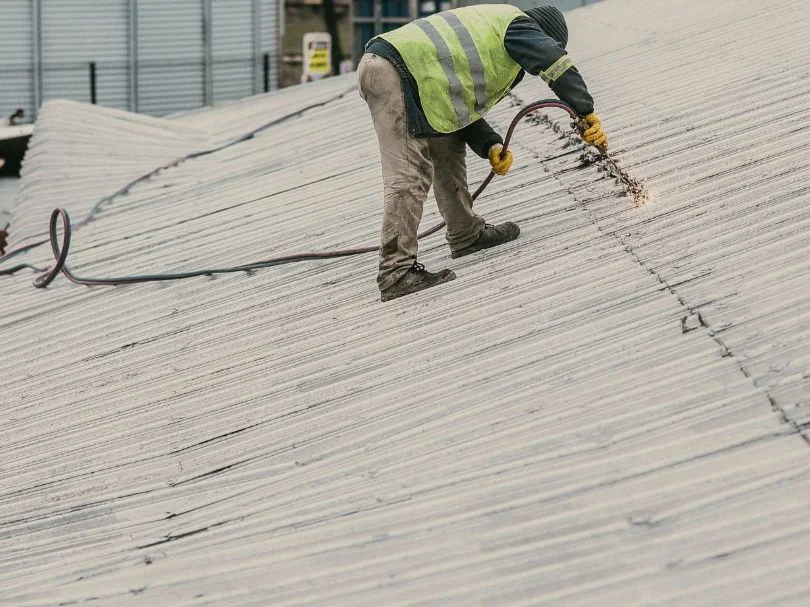
What are the Ins and Outs of Commercial Roof Repair?
- Causes of commercial roof damage: standing or pooled water, faulty flashing, excess foot traffic, careless construction activity on the roof, freezing and thawing of ice and snow, and a lack of regular maintenance and inspection — all are major factors that contribute to damaging your commercial roof.
- Signs of commercial roof damage: Common signs of commercial roof damage are: water leaks, visible water spots on the ceiling, loose flashing/fasteners, roof leaks, creaks and tears on the roof’s membrane, and mold.
- Frequency of commercial roof inspection: While having your roof inspected twice a year is recommended, it’s also wise to inspect it more frequently, especially after storms or weather changes that may have caused damage. Inspections done on time can help you find problems and fix them before they get worse and cost more to fix.
- Repair the damages or replace the roof: When it comes to maintaining your commercial roof, repairing minor damage can be a smart choice if most of the roof and insulation are still in good condition. This can help you save money and prolong the lifespan of your roof. However, replacement may be the better option if significant damage has occurred and more than 25% of the roof needs repair.
- The time needed to repair commercial roof: This duration could range from several weeks to even a couple of months – depending on various factors, including the availability of materials, the complexity of the repairs needed, the size of your roof, the number of workers assigned to the project, and the weather conditions during the repair period.
- Average Cost of commercial roof repair: Repair costs for your roof depend on various factors, including the condition and materials used. Expect to pay $5.50 to $8.50 per square foot for materials and labor. But, roof accessibility and local roofing requirements also influence the repair cost. For example, roof access to a warehouse is much easier than to a high-rise building.
- Ways to prevent commercial roof damage: Regularly inspect your roof, reduce weight and foot traffic, and maintain cleanliness to prevent potential damages. Check for leaks and signs of wear and tear in the walls and attic, clear debris and dirt, unclog the gutter, and prune nearby trees and shrubs.
- The lifespan of a commercial roof: Your commercial roof’s lifespan may vary between 15 and 25 years. Don’t forget that how your roof gets installed impacts its longevity. Hire an experienced roofing contractor to get the job done right. Furthermore, select the right materials that can withstand the local weather conditions for longer.
- Insurance coverage for commercial roof repair: Insurance carriers cover specific commercial roof damage costs. Typically, carriers don’t cover damages caused by property owners, repairs for materials that are highly prone to damage, repairs of old roofs, or overly expensive materials. For example, your insurance might cover leaks and water damage only when caused by a covered event.
To find a reputable commercial roof repair contractor:
- Check for licensing and insurance.
- Look for experience in commercial roofing.
- Check for references and reviews.
- Ensure they offer a warranty on their work.
- Get multiple quotes and compare them.
Is it Time for a Roof Inspection?
Findlay Roofing has offered the best roofing services in the Atlanta area since 1995. As Georgia’s largest full-service roofing contractor, we’re proud to be a leading Owens Corning Platinum Preferred Contractor, a National Roofing Contractors Association member, and in good standing with the Better Business Bureau.
Our commitment to quality workmanship and materials is evident in everything we do, and we never compromise. Our fully insured company offers a lifetime leak-free warranty and only accepts payment once we’ve delivered our promises. If you need roofing services, call us today to experience our exceptional service and attention to detail.
-
-
Attics
-
Attics are important rooms in our homes. They help with home ventilation temperature regulation and maybe even keep those unsightly holiday storage bins out of the way. When an attic is in good condition, the whole home benefits. That’s why you should pay attention to your attic insulation.
Several types of insulation are available, including fiberglass, spray foam, and cellulose, each serving the primary purpose of forming a barrier between your attic space and external elements, thus helping maintain desirable indoor temperatures.
What are some benefits of attic insulation?
Installing insulation in attic benefits your home, bank account, and more. Let’s break down some of the most attractive benefits of insulating your attic.
- Lower energy bills: Installing insulation in attic spaces can significantly reduce energy bills by maintaining a stable indoor temperature. This, in turn, reduces the frequency at which your heating and cooling systems operate, promoting energy efficiency and cost savings.
- Help manage extreme temps: Attic insulation is a pragmatic solution to withstand extreme temperatures, whether during scorching summers or freezing winters. Insulated attics retain cool air during summer and prevent warm air from escaping during winter, ensuring your home remains comfortable year-round.
- Potential for tax credits: Energy-efficient upgrades like improving your attic insulation could qualify you for tax credits. These incentives further enhance the cost-saving benefits of attic insulation, making it a worthwhile investment.
- General home upkeep: Installing insulation in attic areas is a preventive measure that contributes to the longevity of your home. Effective attic insulation can extend your HVAC system’s lifespan, mitigating pest and rodent intrusion.
- Increase your home value: Like other essential home upgrades, insulating your attic is a subtle yet significant way to augment the value of your home. Prospective buyers often appreciate homes with effective insulation, which guarantees lower energy costs and enhanced comfort.
When should you consider upgrading your attic insulation?
Pay attention to the signs that you might need new insulation in your attic. Common indicators include fluctuating indoor temperatures, drafts, or visible deterioration of existing insulation materials. Consistent energy bill increases or the feeling of drafts despite closed windows could signify inadequate insulation. If the current insulation appears worn, torn or exhibits signs of water damage, it’s prudent to consider replacing it.
How much does adding attic insulation to my home cost?
The cost of adding attic insulation varies based on the material type and the area to be insulated. However, it might seem like a substantial upfront investment, but the long-term benefits, such as lower energy bills and increased home value, make it a worthwhile venture.
Understanding the different types of insulation materials is vital before embarking on the task of installing insulation in attic spaces. Here’s a brief breakdown of some popular insulation types:
- Fiberglass Insulation: This popular insulation material comprises tiny glass fibers and comes in batts or rolls. It’s a cost-effective choice and offers excellent fire resistance.
- Cellulose Insulation: Cellulose insulation is eco-friendly because it is made from recycled paper products. It provides good thermal performance and can be blown in or installed in batts.
- Spray Foam Insulation: Known for its superior insulating properties, spray foam expands to fill gaps, making it an effective choice for preventing air leakage.
Each insulation type has advantages and is suited for different areas of your home. Consulting with a professional insulation installer can provide insight into your attic’s most appropriate insulation material, ensuring optimal performance.
Moreover, installing insulation in the attic should be carried out with precision to maximize the benefits of attic insulation. It’s essential to ensure that there are no gaps, the insulation material is evenly spread, and all safety precautions are followed during the installation. Hiring experienced professionals for this task can ensure the insulation is installed correctly, enhancing its effectiveness and longevity.
The benefits of attic insulation extend beyond energy savings and improved home comfort. Effective insulation also contributes to a quieter living environment as a sound barrier. It dampens the noise from outside, providing a serene and peaceful indoor ambiance.
Investing in quality attic insulation is a wise decision for any homeowner. The upfront costs of installing insulation in the attic are far outweighed by its many benefits, including lower energy costs, improved home comfort, higher property value, and a positive contribution to environmental conservation. Engaging with professionals will ensure the insulation is installed correctly, allowing you to enjoy these benefits for years.Contact us at Findlay Roofing to learn more about attic insulation prices, benefits, and how we can help.
-
Attic insulation is the unseen protector of your home’s comfort and energy efficiency. It acts as a shield between your roof and ceilings, protecting your living area from weather extremes. There are various types of insulation for attics, each with unique benefits. Fiberglass, cellulose, foam, and mineral wool are common insulation materials installed in multiple forms, such as batts, rolls, or loose-fill, based on the unique needs of the attic. This thermal layer promotes energy efficiency and maintains comfortable indoor temperatures throughout the year. Insulation in an attic epitomizes responsible living by lowering energy usage, reducing environmental impact, and conserving valuable resources.
Importance of Attic Insulation
- Energy Efficiency: Properly insulated attics save energy by minimizing the demand for heating in the winter and cooling in the summer. It lowers utility bills, saving households significant money over time.
- Temperature Control: Attic insulation aids in the maintenance of stable indoor temperatures. It keeps the house warm in the winter by retaining heat from escaping through the roof and cool in the summer by preventing outside heat from entering.
- Ice Dam Prevention: Adequate insulation in an attic avoids the formation of ice dams on the roof. When heat leaks through the roof, it melts and refreezes at the eaves, potentially causing water damage inside the house.
- Improves Comfort: Well-insulated attics provide a more comfortable living environment by minimizing drafts and cold areas. It guarantees that the temperatures in all house rooms are stable.
- Roof Durability: Attic insulation minimizes excessive temperature changes that can harm roofing materials. It extends the roof’s life, saving homeowners money on expensive repairs or replacements.
- Environmental Impact: By lowering energy usage, attic insulation helps to reduce a household’s overall carbon footprint. It helps protect the environment by cutting the demand for energy generated by fossil fuels.
Attic Insulation Types
There are various attic insulation types, each with its characteristics and installation procedures. Budget, local climate, and personal preference determine the type of institution selected. The most prevalent attic insulation types are as follows:
- Fiberglass insulation: One of the most prevalent types, available in batts or rolls, and is simple to install. Fiberglass insulation is well-known for its fire resistance and low cost.
- Cellulose Insulation: Environmentally friendly and made from recycled paper goods coated with fire retardants for increased safety. Cellulose insulation is frequently blown or sprayed into attics to create a continuous barrier, which prompts the discussion of blown in insulation vs batts.
- Foam Board or Attic Foam Insulation: Comprises polystyrene, polyurethane, or polyisocyanurate. Foam boards are lightweight and provide excellent insulation. Perfect for giving insulation to the underside of the attic (the attic floor) and can also be used on the roof’s exterior (attic rafters).
- Spray Foam Insulation: Expands upon application, filling gaps and creating an airtight seal, offering excellent insulation and air-sealing properties, effectively preventing drafts.
- Mineral Wool Insulation: Fire-resistant and provides outstanding thermal and sound insulation. Suitable for attics, especially in areas prone to fire hazards.
- Radiant Barrier Insulation: Effective in hot regions, it reflects heat away from the living space, comprising a reflective surface like aluminum foil to prevent radiant heat transmission.
Choosing the correct insulation is an investment in sustainability, energy conservation, and long-term savings. By making informed decisions based on R-value, climatic considerations, and local requirements, homeowners can transform their attics into well-insulated spaces, ensuring year-round comfort while contributing to a greener, more energy-conscious future. Proper insulation makes attics crucial components of an energy-efficient and environmentally responsible home. Maximize home comfort and sustainability by transforming your attic into an eco-friendly haven with the proper insulation. Contact Findlay Roofing specialists now for expert guidance, affordable solutions, and a wide range of home services. Choose attic insulation excellence today!
-
-
Gutters
-
For some, it is a great summer job earning a little extra cash; for others, it is an annoying chore that you must do seemingly all too often. Cleaning your gutters is vital in keeping your gutters healthy; they are vital to the overall health of your home. When gutters get clogged, water can build up on your roof. If water builds up on your roof, you could have serious problems much bigger than clogged gutters.
This article will explain some of the benefits of gutter cleaning and why it is so important to maintain your gutters. So, if you dread cleaning your gutters, read on to see why not cleaning your gutters is a bad idea!
Prevents water damage
This might be the best reason to clean your gutters. As mentioned above, if water builds up on your roof, it could cause serious damage. How serious? Well, that depends on how long the water stays on your roof. If it is there long enough, it could start to cause leaks, which could then cause water damage to your roof or, even worse, the inside of your home. If there are leaves on the roof causing leaks, you need to fix that sooner than later, and the best way to do that is to clean your gutters.
Protects your foundation
Yes, gutters protect your roof, but they also protect your home’s foundation. Gutters effectively move water away from the base of your home and prevent any pooling that could result from heavy rains. This is especially true in rainy climates and snowy climates. Snow melt can cause quite a bit of damage if you don’t clean your gutters frequently enough!
Keeps the critters away
A stuffed gutter is a great place for rodents and pests to live. Think about it. It’s full of leaves and other goodies for rodents and pests. While this might not seem like a big problem, it can have serious consequences. Rodents and pests that live in your gutter can eventually find their way into your home, which could leave you with a rodent or a pest infestation. So, if you’re wondering how often should gutters be cleaned, the answer is often enough to keep the pests away! (In all seriousness, you should clean them twice a year.)
Extends gutter lifespan
Gutters are not the most expensive to replace in your home, but they are still an unwanted expense if they don’t last as long as you expected. Different materials will last for different lengths of time, but no matter the material, you want to get the full life out of it. When gutters get clogged, they take on the weight of the water and debris inside of them, thus damaging them. Accumulated water can also lead to rusting or deterioration. Because of this, you want to clean your gutters twice a year or expect to have to buy some new ones!
Prevents flooding
As mentioned, gutters move water away from your home, not just off your roof. You need these to perform this function because if water pools around your house, it will do its darndest to get into your home. Clogged gutters can lead to a basement flood, which can be expensive. Not only do you have to consider the value of everything lost in the flood, but you must also consider the costs of pumping out your basement and restoring it after the flood.
It’s good for your wallet
You may not think it, but a clean gutter will add more curb appeal to your home than a clogged and dirty gutter. Proper and routinely cared-for gutters should blend into the home instead of dirty gutters that stick out like a sore thumb. This is especially important if you are looking to sell your home.
Clean gutters also prevent big expenses! Leaks, floods, and any other form of home damage can be expensive, but by doing your due diligence, you can avoid that altogether.
Voiding your warranty
Neglecting to clean your gutters may void your warranty. Many manufacturers include maintenance requirements in their warranty terms, stating that regular gutter cleaning is necessary. By failing to clean your gutters as recommended, you may unintentionally breach the terms of your warranty, leaving you responsible for repair or replacement costs. Prioritize gutter cleaning to protect your warranty coverage.
Remember to refer to your warranty’s specific terms and conditions to understand the maintenance requirements and keep your gutters in proper working condition.
If you are looking for a gutter clean service or have questions about maintenance, please contact Findlay Roofing today!
-
Choosing gutter materials becomes pivotal as homeowners and builders seek to enhance their properties’ durability and aesthetics. From heavy duty gutter options to cutting-edge seamless designs, the world of gutter materials offers diverse choices.
Let’s look at the top five best gutter materials: heavy duty gutters, platinum seamless gutters, copper gutters, commercial gutters, and vinyl vs aluminum gutters.
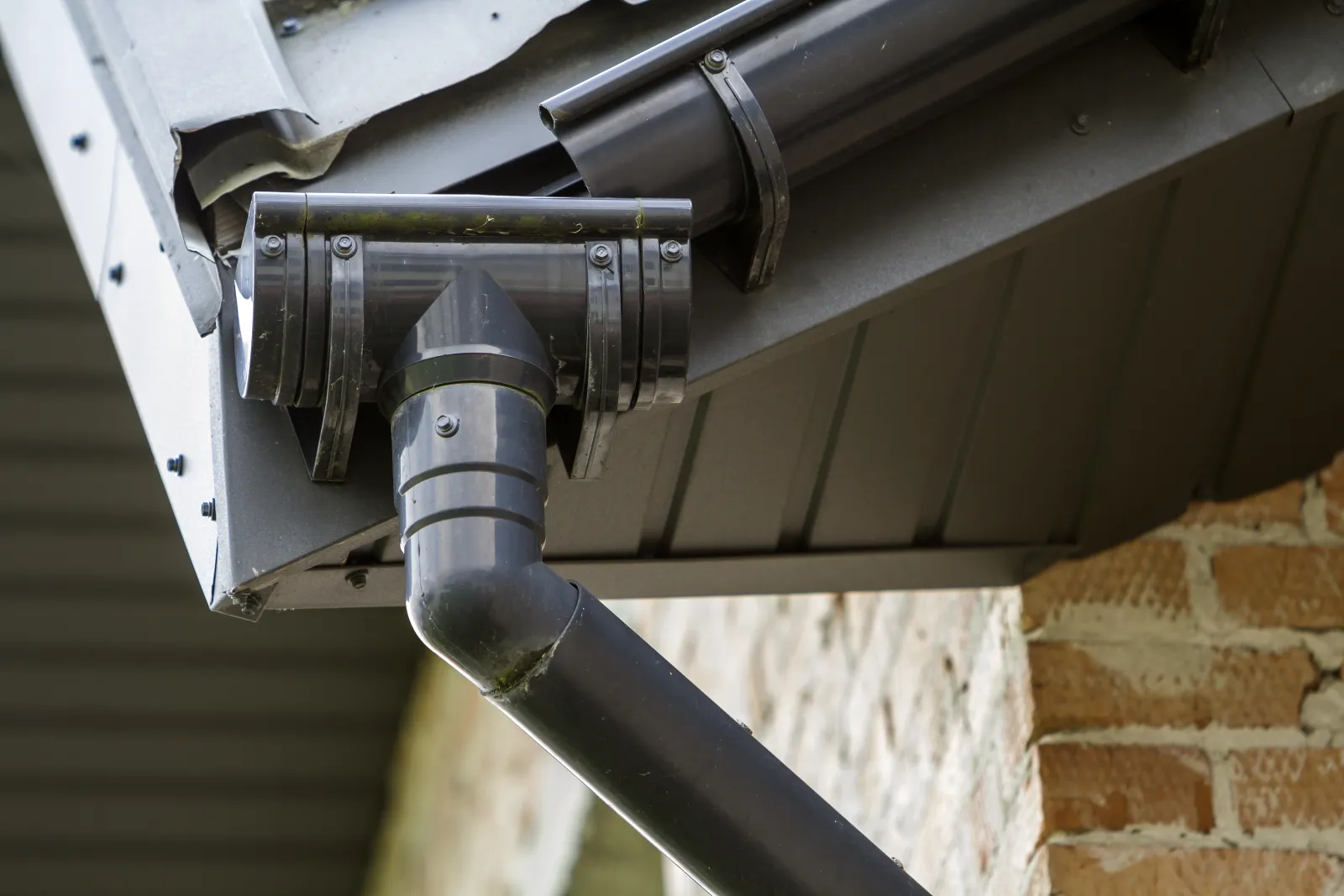
Heavy Duty Gutters
For those searching for gutter materials that can withstand the harshest elements, heavy duty gutters emerge as the fortified guardians of rooflines. Heavy duty gutters, typically crafted from robust materials such as steel or copper, boast exceptional strength and durability. These gutters are engineered to endure heavy rainfall, snow loads, and other environmental challenges, providing long-lasting protection for residential and commercial structures.
The appeal of heavy duty gutters lies not only in their resilience but also in their ability to handle increased water flow without compromising structural integrity. Whether you reside in a region prone to torrential rains or anticipate the weight of accumulated snow, heavy duty gutters stand tall as reliable sentinels against the forces of nature.
Platinum Seamless Gutters
Amidst seamless sophistication, platinum seamless gutters take center stage. Fashioned from premium materials like aluminum or copper, these gutters eradicate the necessity for seams, reducing the likelihood of leaks and elevating aesthetic appeal. The seamless design elevates the visual allure of properties and reduces the likelihood of debris accumulation and clogs.
Platinum seamless gutters are custom fabricated on-site, ensuring a perfect fit for each unique structure. This tailored approach enhances efficiency and minimizes the potential for water seepage. As homeowners seek a harmonious blend of functionality and elegance, platinum seamless gutters emerge as a top-tier choice.
Vinyl vs Aluminum Gutter
The perennial debate of vinyl vs aluminum gutter materials invites homeowners to weigh the pros and cons of each option. Vinyl gutters are lauded for their affordability and resistance to rust and corrosion. However, they may not be as robust or durable in extreme weather conditions over the long term.
On the other hand, aluminum gutters offer a lightweight yet durable solution resistant to rust. The malleability of aluminum makes it easier to shape and install, allowing for a seamless fit. As property owners navigate the vinyl vs aluminum gutter dilemma, considerations such as climate, budget, and aesthetic preferences play pivotal roles in decision-making.
Commercial Gutter
The demand for high-performance gutter materials is amplified in commercial structures. Commercial gutters are engineered to manage increased water quantities, making them ideal for expansive roofs commonly found in commercial settings. These gutters are often made from heavy-duty materials like steel or aluminum, providing the durability required to protect substantial structures.
Commercial gutters prioritize efficiency and reliability, ensuring water is effectively directed away from the building’s foundation. As businesses invest in their properties’ longevity, choosing commercial gutter materials becomes a strategic decision to safeguard against potential structural issues.
Copper Gutters
For those who seek a gutter material that transcends trends and exudes timeless elegance, copper gutters emerge as an enduring choice. The allure of copper lies not only in its aesthetic charm but also in its durability and resistance to corrosion. Over time, copper develops a distinctive patina, adding character to the structure and enhancing its curb appeal.
Although copper gutters may come with a higher initial expense, their enduring quality and minimal maintenance make them a valuable investment for those who prioritize functionality and aesthetics. Copper gutters stand out among the top choices for gutter materials as a testament to craftsmanship and enduring beauty.
Choosing the Ideal Gutter Materials
The ideal choice of gutter materials is a personalized journey that considers each property owner’s unique needs and preferences. Whether opting for heavy duty gutters to brave the elements, platinum seamless gutters for refined elegance, or navigating the vinyl vs. aluminum gutter debate, the decision ultimately shapes the protection and aesthetic appeal of the structure.
As you embark on the quest for the perfect gutter material, remember that each choice contributes to the longevity and beauty of your property’s exterior. We are here to help answer your questions and provide professional installation, so contact us today to schedule service.
-